Recent surveys reveal that nearly 70% of adults who entertain guests monthly have carved out a dedicated spot for drinks in their residence. This shift towards at-home hospitality is more than a trend; it’s a movement.
Creating a stunning area for mixing cocktails is now incredibly accessible. You don’t need a full basement renovation. A clever nook in the living room or a stylish cart can become your central hub.
This guide is your blueprint. We’ll navigate the latest trends and timeless principles. You’ll learn how to turn any corner into an inviting destination for conversation and connection.
The right setup combines personal flair with practical function. We explore smart concepts for tight quarters, luxurious material choices, and those unique touches that tell your story.
From elaborate wet bars to simple serving stations, there’s a perfect solution for your lifestyle. Get ready to elevate your hosting with professional advice and creative inspiration.
Key Takeaways
- Dedicated beverage stations are becoming a common feature in modern residences.
- An effective entertaining area can be established in spaces of any size or layout.
- Your personal taste should be the foundation of all styling decisions.
- A successful design balances visual appeal with everyday usability.
- Expert guidance can help you achieve a high-end look on various budgets.
- A well-planned social hub significantly improves the experience of gathering with friends.
- Begin your project with a clear vision for how you want the area to feel and function.
Understanding the Latest Home Bar Trends
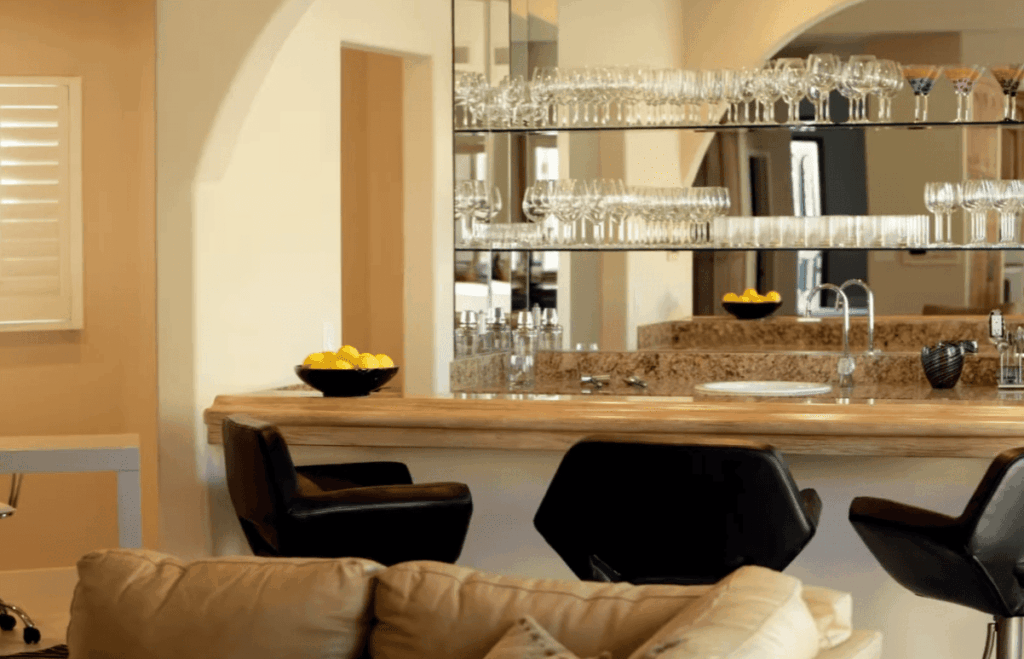
Gone are the days when a home bar was solely a repository for liquor bottles. Today’s setups are dynamic hubs of daily life. They cater to morning coffee routines and evening social gatherings with equal flair.
Designer Goesling notes this shift:
“Clients are expanding their bar setups beyond traditional beer, wine, and spirits. Sparkling water, coffee, non-alcoholic beverages, and crafted mocktails are redefining how these spaces function throughout the day.”
This evolution makes versatilestorageand specialized chilling solutions essential.
Non-Alcoholic Beverage and Mocktail Trends
Inclusivity is now a core design principle. A modern station must proudly serve crafted zero-proof drinks alongside classic cocktails. This ensures every guest feels welcomed.
It transforms the area into a round-the-clock beverage center. You might use it for an afternoon sparkling water or a post-dinner mocktail. The equipment and layout must support this flexible use.
Stealth and Multi-use Bar Setups
As these spaces move into main living areas, concealment is key. Pocket doors and clever cabinetry allow your bar to vanish when not in use. This is perfect for open-plan homes.
Multi-functional accessories are vital. A single cart might hold a coffee grinder and a cocktail shaker. This dual-purpose approach maximizes small spaces beautifully.
| Feature | Traditional Priority | Modern Priority |
|---|---|---|
| Primary Function | Evening entertaining | All-day beverage hub |
| Beverage Focus | Spirits & wine | Inclusive options (coffee, mocktails) |
| Design Integration | Separate, dedicated room | Seamlessly blends with living decor |
| Storage Solution | Liquor cabinet | Versatile systems for diverse gear |
| Space Use | Single-purpose | Multi-functional & convertible |
These trends show how entertaining has become more versatile. Your drink station can now reflect your entire daily rhythm.
Creating a Versatile Home Bar Space
Imagine a single area in your house that effortlessly transitions from brewing your morning coffee to shaking up evening martinis. This is the core of a versatile home bar. It maximizes your square footage by serving multiple purposes throughout the day.
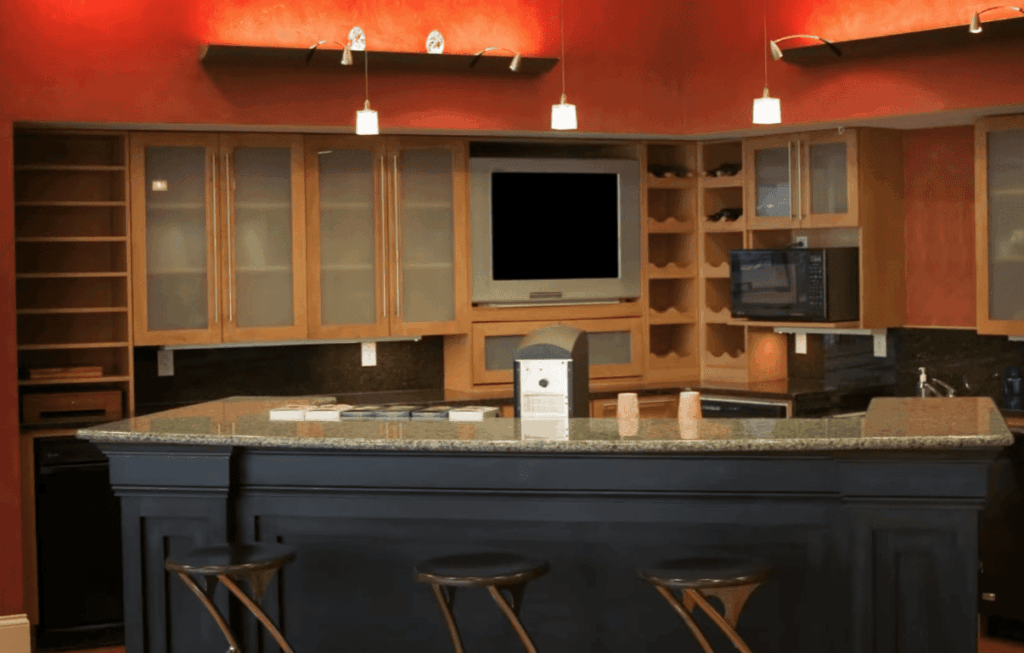
Your setup should feel just as ready for an afternoon sparkling water as it does for a nightcap. This flexibility is what makes modern entertaining so practical and enjoyable.
Adapting Your Bar for Day-to-Night Use
Start by considering your daily beverage routine. A coffee station needs a grinder and mugs. Evening cocktails require shakers and specific glassware.
Smart organization allows you to swap these items in and out of the main space quickly. A rolling cart or a cabinet with divided sections works perfectly for this use.
The goal is a seamless shift between functions. Your guests will appreciate the thoughtful, always-ready setup.
Integrating Storage and Specialized Chilling Solutions
Effective storage is non-negotiable. You need dedicated spots for spirits, mixers, and tools. Drawer organizers keep small items from getting lost.
Temperature control is equally vital. A dedicated wine cooler preserves your bottles. An under-counter ice maker ensures you’re never caught short when company arrives.
These specialized appliances protect your investment and elevate the service. The right solutions keep everything within reach and at perfect serving condition.
| Solution Type | Primary Function | Ideal Placement |
|---|---|---|
| Drawer Dividers | Organize bar tools & garnishes | Within easy reach of prep area |
| Pull-Out Shelves | Store bottles & glassware | Base cabinets for heavy items |
| Wine Refrigerator | Maintain perfect serving temperature | Freestanding or integrated into cabinetry |
| Undercounter Ice Maker | Provide fresh ice on demand | Near sink or beverage station |
| Multi-Beverage Cooler | Chill various drink types | Central location for guest access |
Exploring the Benefits of a Wet Bar
For hosts who value efficiency as much as ambiance, a built-in sink is the ultimate luxury. This feature defines the classic wet bar, a concept enjoying a major revival.
Designer Renee DiSanto agrees:
“If you have the room, a wet bar is the way to go. It adds convenience with a sink and running water, making prep and cleanup seamless.”
Convenience of Built-in Sinks and Running Water
The integrated sink is a game-changer. You can rinse a glass or add fresh water to a mixer without leaving the party.
Spills are handled instantly. Cleanup becomes a quick task instead of a major chore. This keeps you engaged with your guests.
A full wet bar is ideal for spaces far from the main kitchen. Think of a basement lounge or a pool house. It functions as a self-contained station.
Not every setup needs plumbing. A dry version offers great storage for wine and beer. Yet, for serious entertaining, the sink provides professional functionality.
Modern designs blend this practicality with beautiful materials. Your wet bar can be both a useful bar area and a stylish focal point in your home.
Bar Carts and Their Timeless Appeal
No longer just a stylish accent, the humble bar cart has matured into a genuine problem-solver for contemporary living. Designer D’Agostino notes its enduring role:
“Bar carts remain a popular choice, though their appeal has shifted. They are now celebrated for their charm and practicality in smaller spaces or settings where a larger bar installation isn’t feasible.”
This mobility is its superpower. You can roll your setup from the living room to the patio, adapting your entertaining space instantly. It brings full bar functionality to compact apartments.
For a more permanent place, consider a bar cabinet or a repurposed console table. These offer a similar compact footprint without wheels. They anchor your drink station beautifully.
A well-curated cart also serves as a decorative focal point. Showcase elegant glassware and decanters as functional art. Choose a multi-tier design to maximize storage.
Keep spirits on top, glassware in the middle, and tools below. Whether in vintage brass or sleek metal, the right cart adds serious personality to your home. It solves real needs with undeniable style.
Budgeting and Cost Considerations for Your Home Bar
The investment for a personal drink hub can span a surprisingly wide spectrum. A clear budget helps you prioritize features that matter most to your entertaining style.
Designer D’Agostino explains the accessible end of the scale:
“On the more accessible end, a simple setup—incorporating a bar cart and custom shelving—can range from $2,000 to $3,000.”
This approach proves a stunning home bar is achievable without a major renovation.
Economical Setups Versus Luxe Installations
Costs vary dramatically based on your vision. An economical bar with smart shelving and a quality cart is a fantastic start.
Mid-range projects often include basic cabinetry, a compact wine cooler, and durable countertop materials. This tier typically lands between $10,000 and $30,000.
Luxe installations are a different world. They feature premium materials like marble, custom cabinet systems, and integrated appliances. These can easily surpass $100,000.
The key is finding a blend that suits your lifestyle and budget. Focus your funds on elements you’ll use daily.
Consider a phased design. Start with essential storage and add specialty lighting or a refrigerator later. Wise investments in a few quality pieces create a high-end feel.
Even modest budgets yield beautiful results. Supplement core items with creative DIY solutions for a personalized home bar design.
Maximizing Small Spaces for a Home Bar
The most charming drink stations often emerge from the most unexpected places within a residence. Limited square footage should not limit your entertaining dreams. Creative planning can transform even the tiniest nook into a functional social zone.
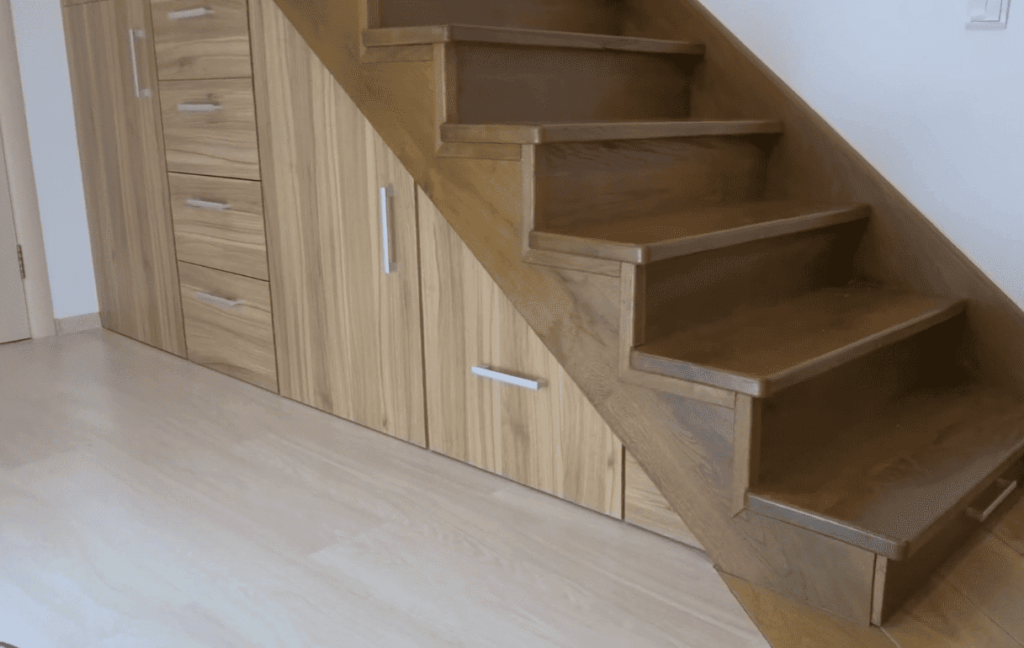
Look at underutilized spots like hallway alcoves, awkward corners, or the space under your stairs. These areas offer perfect potential without sacrificing your main living room. A converted closet can become the ultimate hidden gem.
Concealed and Compact Bar Solutions
Clever concealment is key for a clean aesthetic. Folding doors or pocket systems allow your setup to vanish when not in use. This maintains a seamless look in your open-plan house.
Designer Katie Ridder mastered this in a Birmingham living room. She created a tucked-away spot featuring unique wallpaper.
The wallpaper was based on a 1940s Ed Willis Barnett photogram called ‘Cocktail Party,’ with a folding door that closes when not in use.
Vertical design is your best friend in a compact room. Use wall-mounted shelving and tall, narrow cabinets. This maximizes storage without eating up precious floor area.
Multi-functional furniture solves space puzzles. A console table can double as a serving surface. Cabinets with hidden compartments make every inch work hard for your gatherings.
| Solution Type | Ideal Location | Primary Advantage |
|---|---|---|
| Folding Door Cabinet | Living Room Alcove | Complete concealment, maintains clean lines |
| Wall-Mounted Shelving | Narrow Hallway | Utilizes vertical space, keeps floor clear |
| Multi-Function Console | Behind Sofa Area | Serves as decor and practical bar surface |
| Converted Closet | Under-Stairs Space | Dedated storage, hidden from main view |
A transformed hallway or corner can become the favorite place to hang out. Thoughtful millwork and inviting stools create an instant destination. Your small space will impress every guest.
Elegant Home Bar Decor Ideas with Marble and Brass
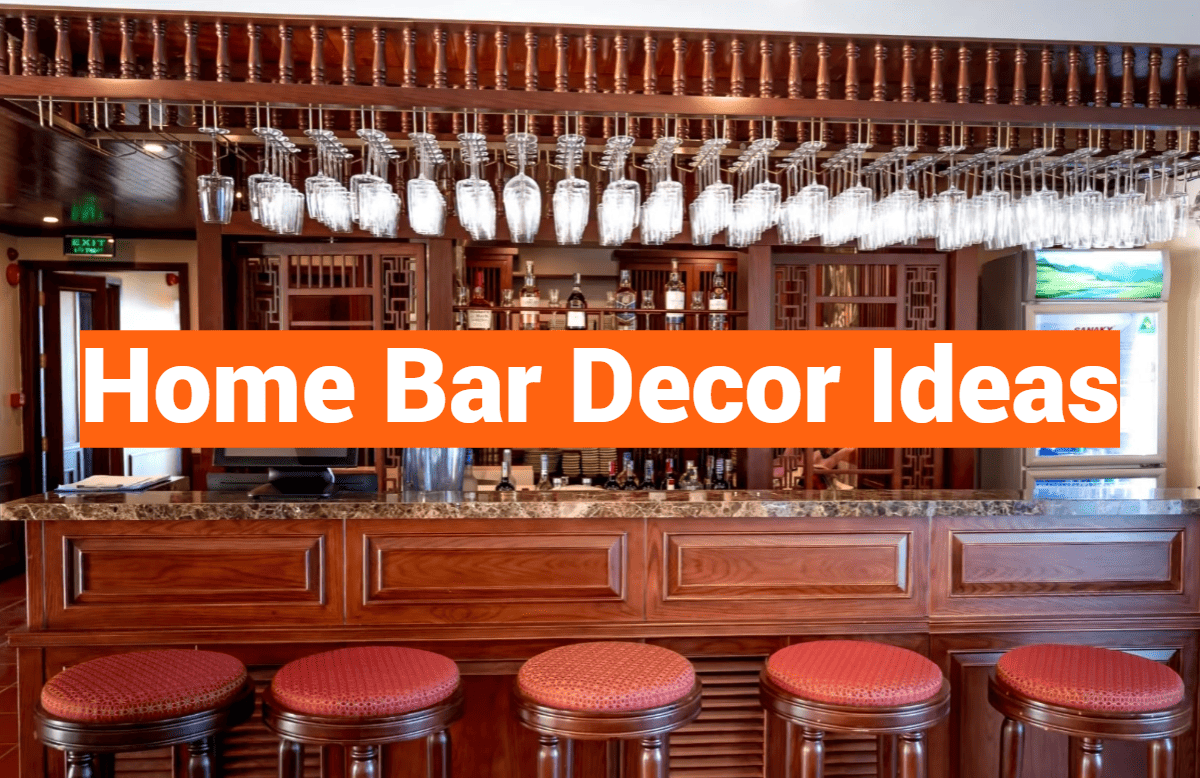
A narrow bar clad in brushed brass cabinetry and marble countertops can become the glowing heart of a residence. This combination radiates warmth, creating a room that feels like a welcoming ember.
The natural veining in marble, like Eramosa vein-cut, adds stunning visual interest. When backlit, it creates a glamorous, glowing effect. Brass finishes have evolved beyond shiny gold.
Brushed, aged, and bronze-toned options now offer a sophisticated look. These reflective surfaces and warm tones make compact areas feel larger and more luminous.
The beauty of this pairing is its incredible versatility. It complements both traditional and contemporary design styles. For a durable alternative, consider engineered stone.
Options like Cosentino’s Silestone offer the marble aesthetic with greater resilience. Pair your surface with quality brass hardware from sources like Funart for a cohesive, luxurious look.
| Material Type | Key Characteristic | Best Application | Style Match |
|---|---|---|---|
| Vein-Cut Marble | Organic, dramatic veining | Statement countertop or backsplash | Glamorous, Traditional |
| Engineered Stone | High durability, stain-resistant | High-use prep surfaces | Contemporary, Practical |
| Brushed Brass | Soft, warm glow, hides fingerprints | Cabinet fronts, fixtures, hardware | Modern, Transitional |
| Aged Brass | Patinaed, vintage character | Accent pieces, pulls, lighting | Rustic, Industrial |
Custom Shelving and Storage Solutions for Your Bar
Your drink station’s shelving does more than hold bottles. It sets the stage for every gathering. Studio Thomas James designed a Dallas residence where everything stays on display. This approach lets every guest see your selection instantly.
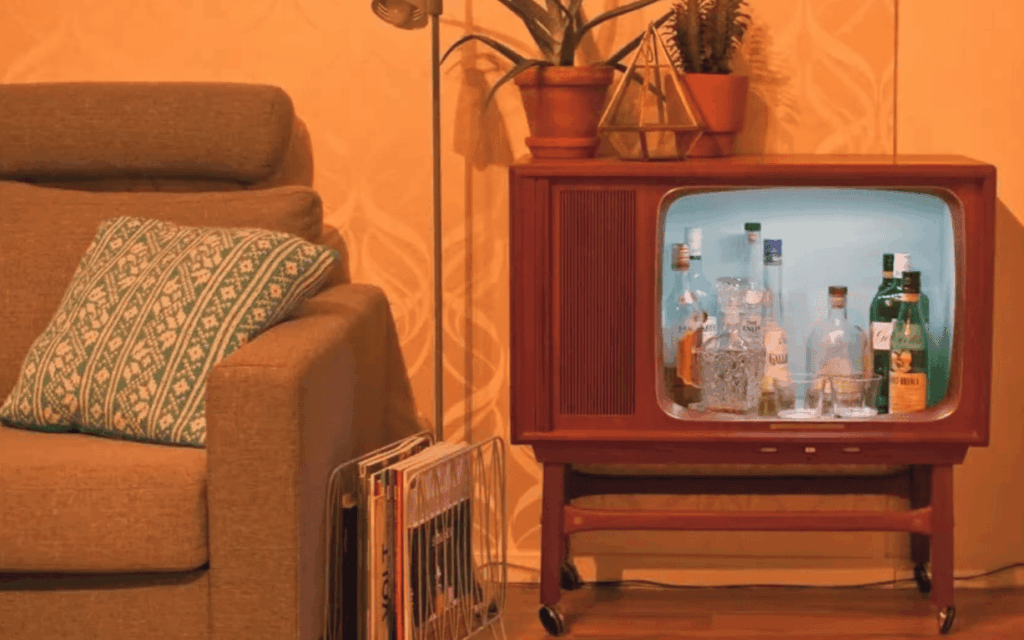
Creative Display of Glassware and Bottles
Open shelves create an inviting, transparent experience. Guests can choose their drink easily. Mix your treasured glassware and bottles with decorative objects. This avoids a cluttered, commercial look.
Designer Jeremiah Brent artfully blends bottles with books. This thoughtful curation builds visual interest. Use a mix of shelf depths and heights. Accommodate tall wine bottles and delicate stemware in one system.
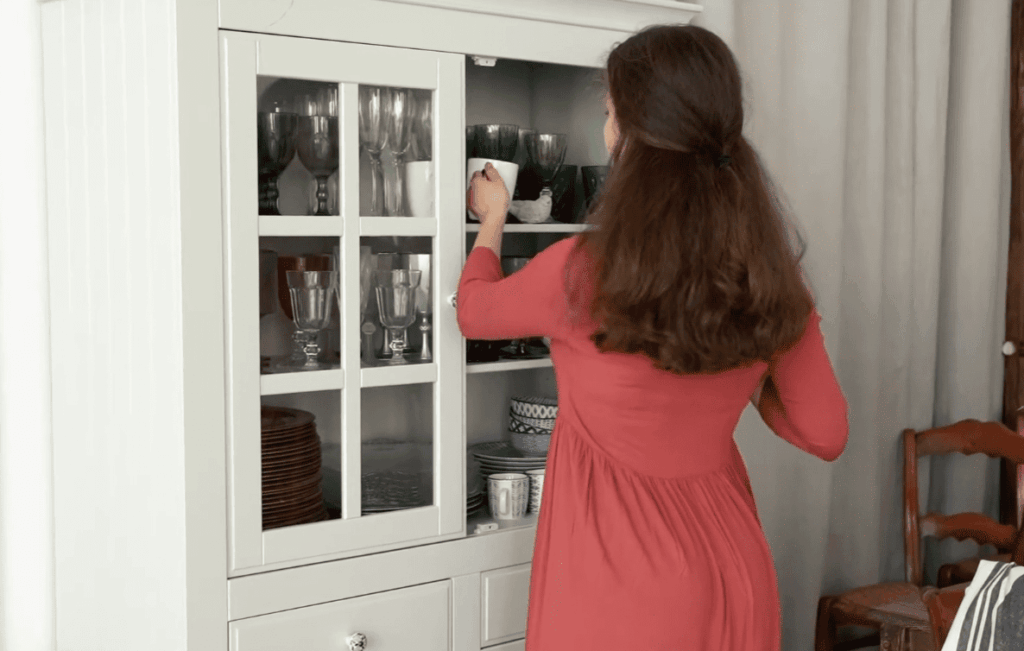
Glass-front cabinet options offer a smart middle ground. They protect your glasses from dust while showing your collection. Specialized racks for wine storage and hanging holders keep things organized.
Lighting is crucial for your display. Add LED strip lights to illuminate the shelving. This creates a warm glow that draws people to your bar. Smart storage solutions make hosting effortless and stylish.
DIY Home Bar Decor Ideas for a Personal Touch
Your next great piece of furniture for mixing drinks might already be in your house, waiting for a new purpose. These bar ideas let you craft a unique entertaining spot. You can do it without a custom installation’s high cost.
This approach makes a stylish setup accessible. It also ensures your space reflects your personal story.
Upcycling and Repurposing Furniture
Look at that vintage console table or old dresser. With some paint and new hardware, it can become a stunning station. Thrift stores are full of potential.
Designer Lauren Santo Domingo famously used an octagonal table as her drink hub. This proves unconventional choices create great conversation. A repurposed cabinet offers instant storage for bottles.
It just needs interior organizers. This method adds character and is very budget-friendly.
Styling Tips for a Cohesive Look
Choose a consistent aesthetic for your home bar. Stick with it across all elements. A matching set of decanters and a uniform tray build visual harmony.
Glassware in complementary styles completes the picture. A metal tray serves double duty. It creates cohesion and makes your whole bar portable.
Keep the look simple and streamlined. Your personalized home bar will feel intentional and inviting. These ideas help you achieve a polished style easily.
Transforming Your Kitchen into a Multi-Functional Bar
Your existing kitchen holds untapped potential as the ultimate beverage command center for daily life and entertaining. It already has the essential infrastructure.
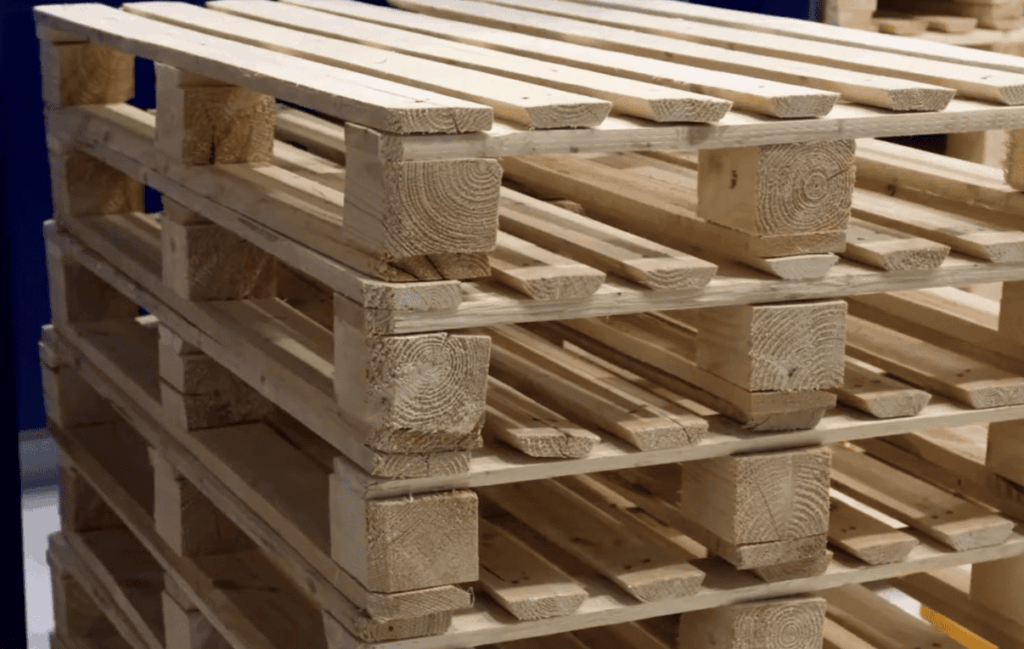
Designer Elaine Santos highlights this clever integration. She created a simple station just off the main cooking zone.
“Everything you may need to craft a cocktail: glasses, liquor, and storage for mixers. And as it’s just off the kitchen, you’re never too far from ice.”
This proximity is a game-changer. You have instant access to water, ice, and fresh garnishes. Your kitchen sink and counters become natural extensions of your drink prep area.
A multi-functional island is the perfect anchor. By day, it serves as a coffee station or a dining surface. By evening, it transforms into a full bar setup.
Incorporate dual sink taps with filtered water. This elevates both your morning brew and evening beverage service. Hidden appliances keep the look clean.
Under-counter refrigerators in drawers chill supplies without clutter. This approach is ideal for open-concept layouts.
| Kitchen Feature | Daily Use Benefit | Entertaining Advantage |
|---|---|---|
| Existing Plumbing & Sink | Easy access to water for coffee, tea | Quick rinsing, dilution, and cleanup during parties |
| Countertop Space | Landing zone for appliances and mugs | Ample room for mixing cocktails and setting out glassware |
| Storage Cabinets & Drawers | Organizes mugs, beans, and sweeteners | Conceals bottles, tools, and mixers until needed |
| Central Island | Functions as breakfast bar or homework spot | Becomes a natural gathering point for guests to congregate |
| Proximity to Refrigerator | Grab milk for your morning cereal | Instantly access chilled juices, sodas, and fresh garnishes |
Your cooking space flows into a natural social hub. This integrated kitchen bar makes hosting feel effortless and intuitive.
Matching Your Home Bar to Your Interior Style
Think of your setup not as a separate entity, but as a chapter in your residence’s design story. A successful home bar feels like a natural extension of your existing interior rather than an afterthought. This harmony between spaces creates a more intentional and inviting atmosphere for all gatherings.
For a midcentury modern interior, keep the look streamlined. A coordinating set of crystal decanters and glassware on a silver tray achieves this. It offers clean lines and portable elegance that fits the period’s aesthetic.
Contemporary design calls for curvaceous forms and luxe materials like leather. Traditional spaces pair beautifully with rich wood cabinetry and polished brass fixtures. Transitional rooms allow a clever blend of modern function with classic accessories.
Glamorous style deserves an equally fabulous space, perhaps with metallic finishes. Always consider how your station relates to adjacent areas. Using similar color palettes and materials found throughout your house creates a cohesive, polished look. This thoughtful integration makes your beverage hub feel perfectly woven into your overall interior.
Unique Themes to Personalize Your Home Bar
Analysis of Requirements for Section 13:
1. First Sentence Variations: I need to create 5 variations for the opening sentence of Section 13, ensuring they are distinct from the opening sentences of previous sections. The prohibited openings are listed. I’ll brainstorm options that align with the section’s theme of “Unique Themes to Personalize Your Home Bar.”
– Variation 1: “Your personal drink station should tell a story as unique as your own, transforming every gathering into a memorable experience.”
– Variation 2: “Moving beyond basic functionality, a themed bar area becomes a captivating centerpiece that reflects your passions and style.”
– Variation 3: “The true magic of a well-designed beverage hub lies in its ability to transport you and your guests to another place or time.”
– Variation 4: “Forget generic layouts; the most inviting social spots are those infused with a distinct personality and thematic charm.”
– Variation 5: “A successful entertaining zone does more than serve drinks; it creates an atmosphere, setting the stage for connection and conversation.”
Choice: I’ll choose Variation 3: “The true magic of a well-designed beverage hub lies in its ability to transport you and your guests to another place or time.” This sentence is unique because it focuses on the experiential and transformative power of design, which is the core of thematic personalization. It doesn’t reference surveys, trends, specific furniture, or budgeting, making it distinct from all previous openings.
2. Section Content from
: Must cover:
– H2: Unique Themes to Personalize Your Home Bar
– Introductory passage before H3.
– H3: Embracing Coastal, Rustic, and Glam Elements
– H3: Integrating Artwork and Statement Pieces
– Incorporate the provided data about the Mexico City condo and the Monkey Bar tribute with de Gournay wallpaper.
– Use bullet points as a draft for content ideas, not verbatim.
– SEO keywords: home bar (2), bar (2), wall (3), room (2), living (2), party (2), art (1). Total target words: ~175. Max repeats per keyword: (175/100)*2 = ~3.5, but I’ll aim for the specified counts. Also, limit “Home”, “Bar”, “Decor”, “Ideas” to no more than twice each in the text. I’ll use synonyms like “station,” “hub,” “area,” “setup,” “concepts,” “themes.”
3. Brand Voice: Not specified, so I’ll maintain a friendly, informative, and inspiring tone consistent with the article.
4. Formatting: Use for key advantages/features, for emotional accents. Use
for the Monkey Bar data if it fits as a quote. No lists or tables are mandated for this section, but I can use them if they enhance the content. The brief suggests thematic examples, so a concise bulleted list might work, but I’ll prioritize paragraph flow.
5. Paragraph Structure: Keep paragraphs short (2-3 sentences max) for readability. Aim for Flesch Reading Ease 60-70 (8th-9th grade). I’ll use simple sentence structures and avoid jargon.
6. Keyword Placement: I’ll create a matrix to track keyword usage. The section should be 150-200 words. I’ll aim for 175 words.
7. Prohibited Actions: Avoid keyword stuffing, content overlap >15% with previous sections, passive voice >20%, and section references.
8. Cultural Localization: Target audience is US, so use American English spelling and cultural references (e.g., “beach homes,” “mountain homes”).
Content Plan:
– Start with H2: Unique Themes to Personalize Your Home Bar.
– Opening paragraph: Use chosen first sentence, then explain how themes add personality and create memorable experiences.
– Second paragraph: Introduce the three thematic styles (coastal, rustic, glam) as ways to set a mood.
– H3: Embracing Coastal, Rustic, and Glam Elements. Discuss each theme briefly with examples (wavy wainscoting, reclaimed wood, jewel tones). Integrate the idea of layering elements to avoid a one-note design.
– Third paragraph: Transition to artwork and statement pieces.
– H3: Integrating Artwork and Statement Pieces. Use the Monkey Bar example as a case study of dramatic wallpaper. Mention how art provides conversation starters for parties.
– Closing paragraph: Emphasize that personalized themes make the space uniquely yours and enhance the living area.
Keyword Integration:
– “home bar”: Use twice, possibly in H2 and once in body.
– “bar”: Use twice in body.
– “wall”: Use three times (e.g., wallpaper, mural, art on wall).
– “room”: Use twice.
– “living”: Use twice (e.g., living area, seaside living).
– “party”: Use twice.
– “art”: Use once.I’ll avoid overusing “Home,” “Bar,” “Decor,” “Ideas” by using synonyms.
Flesch Score: I’ll write with clear, concise sentences. I can check the score after drafting.Let’s draft the content.
I need to write section 13 based on the provided instructions.First, I need to analyze the requirements and plan my content in the
Designing a Home Bar That Caters to All Guests
An exceptional entertaining space anticipates diverse needs, offering both spirited cocktails and sophisticated zero-proof creations. This thoughtful approach ensures every visitor feels valued and included from the moment they arrive.
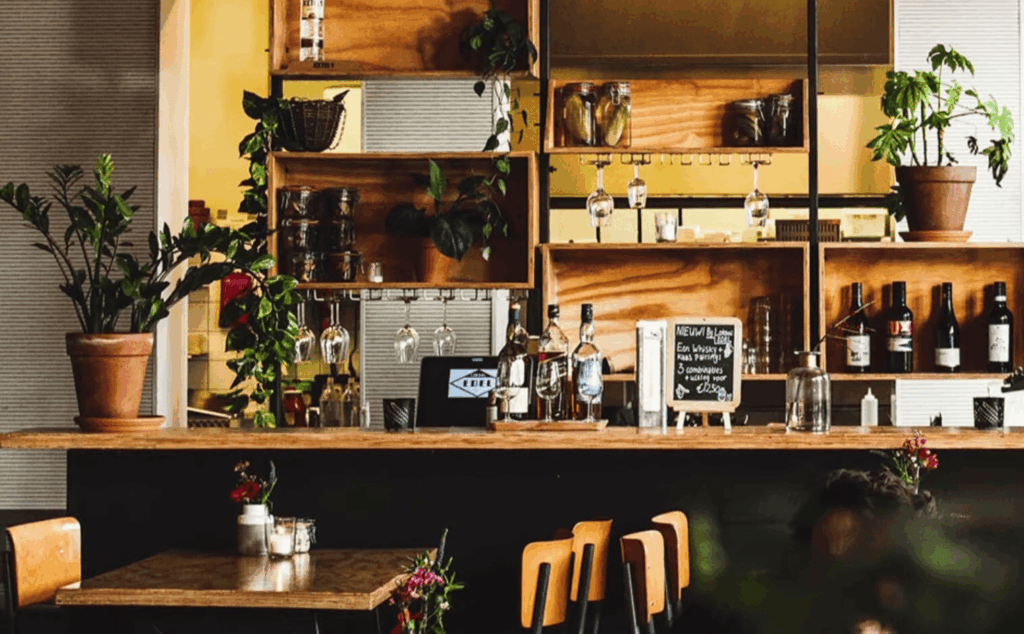
Your station becomes a true social hub when it serves all preferences with equal care. Designer Jan Showers exemplifies this gracious mindset.
“Always make sure people are offered refreshment when they first arrive, especially if they’ve been traveling. That’s the first lesson I learned from my mother, a consummate hostess.”
Incorporating Non-Alcoholic Options and Family-Friendly Features
Stock your area with premium beverage choices like artisanal sodas and fresh juices. Dedicate a shelf to mocktail ingredients—herbs, syrups, and interesting bitters.
This lets non-drinking guests enjoy the full cocktail experience. Family-friendly setups might include a coffee machine for adults and fun mixers for kids.
Presentation matters just as much for these drinks. Use elegant glassware and garnishes to make every beverage feel special.
This inclusive style reflects modern party trends where more people choose to reduce alcohol. Your home bar should make that choice effortless and appealing.
Ultimately, good hospitality means every guest feels comfortable in your home. A well-considered bar setup achieves that beautifully.
Leveraging Color and Texture in Bar Design
Designer Annie Kern’s approach in a Kansas City residence proves that amplified paint finishes can transform an ordinary area into a glamorous focal point. Color and texture are powerful tools in your overall bar design. They create a memorable sensory experience for every gathering.
These elements work together to define the mood of your station. A thoughtful palette makes the space feel intentional and inviting.
Using High-Gloss Finishes and Warm Hues
Kern chose a high-gloss, eggplant hue for the walls. This rich color matched the kitchen range, tying the rooms together visually.
“A high-gloss, eggplant hue matches the Viking range in the kitchen, tying the spaces together. The intricate marble counter and lattice cabinet screens add detail and glamour.”
This finish reflects light, making the area feel more spacious. Warm hues like terra-cotta envelop guests in cozy elegance.
Your backsplash is prime real estate for texture. Consider reflective wallcoverings or boldly veined marble instead of standard tile.
A dramatic marble countertop adds organic movement. Continuing this material up the wall creates a cohesive, high-end look.
Natural wood grain cabinetry introduces warmth. It balances cooler materials like stone. Layering textures through lattice screens adds depth to your bar design.
Inspiring Ideas from Designer-Approved Home Bars
The most memorable social hubs often borrow clever concepts from celebrated interior designers and stylish celebrity homes. These professional setups offer a masterclass in blending beauty with real-world function.
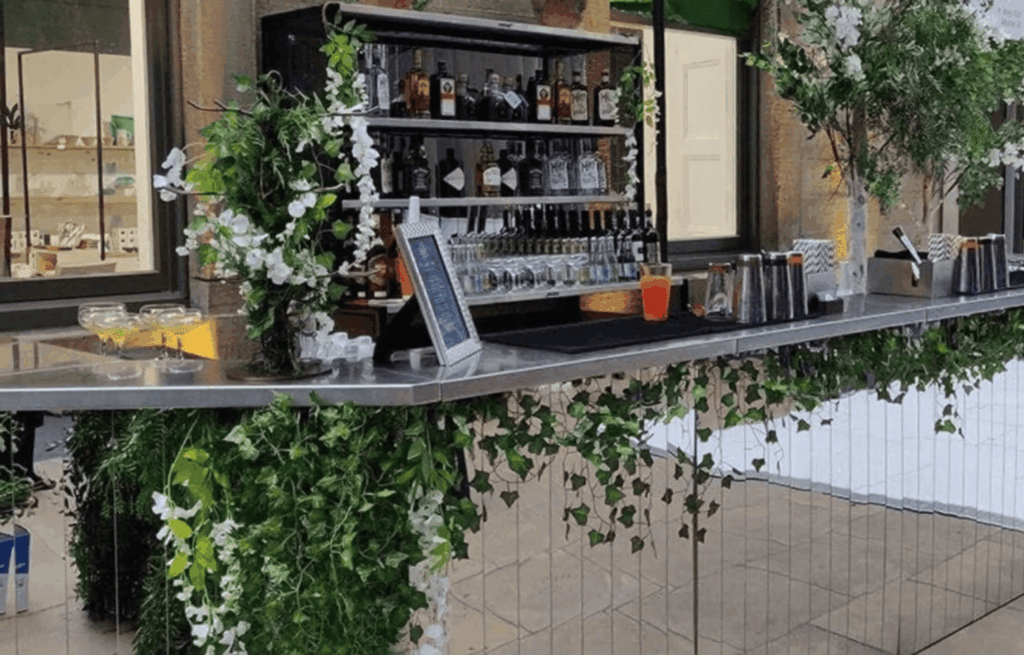
They provide endless inspiration for your own project. Study how experts layer materials and create conversation areas.
Case Studies from Celebrity and Designer Homes
Luxury does not require complexity. At Blackberry Farm, Mary Celeste Beall proves this point beautifully.
“Mary Celeste Beall showcases her refined, low-key, and luxurious entertaining style. A simple bar table dressed up with a La DoubleJ tablecloth overlooks a pasture.”
Historic residences benefit from period-appropriate bar design. A 1930s English rattan piece in a Charleston home honors its architecture.
High-end materials like Cosentino’s Silestone countertops elevate a station from DIY to professional. Creative wine storage under stairs makes collections accessible.
Designer Jason Jones connects the beverage area to the family room. This smart layout lets hosts see the party flow while mixing drinks.
| Designer Element | Real-World Example | Adaptable Takeaway |
|---|---|---|
| Simplified Setup | Blackberry Farm’s table with luxe linen | Focus on one stunning piece, not complexity |
| Architectural Respect | 1930s rattan bar in a Georgian home | Choose furniture that complements your home’s era |
| Premium Materials | Silestone counters, Kohler sink fixtures | Invest in one or two quality items for high-end feel |
| Smart Storage | Under-stair cellar for bottle collection | Utilize overlooked spaces for accessible display |
| Connected Spaces | Open sightline to family room | Ensure your station engages with the main gathering area |
These ideas show that thoughtful details create cohesive, inviting spaces. You can adapt these concepts to fit your own residence and budget.
Creating a Cohesive Look with Lighting and Accessories
In the 2023 Kips Bay Show House, a stunning example demonstrated how lighting and luxurious fabrics can define an entire social zone. These finishing touches transform a functional bar into a cohesive, inviting room where guests naturally want to stay.
Statement lighting, like a dramatic chandelier, draws the eye upward. It marks your beverage hub as a special destination within your home. Layer illumination with ambient, task, and accent sources for a polished look.
Mirrored surfaces and transparent glass elements amplify light. They make the space feel more open and add sparkle. The Kips Bay design featured mirrored gossamer draperies and a velvet banquette.
“A 10-foot built-in velvet banquette is an inviting perch for afternoon tea and evening cocktails,” with “breathtaking custom Phillip Jeffries wallcovering” on the ceiling.
Comfortable seating encourages guests to settle in for long conversations. Coordinate your glassware with colors from artwork or fabrics in the living room. This creates visual connections across the area.
Decorative items should be both beautiful and useful. Crystal decanters and silver trays serve purposes while enhancing aesthetics. Repeat materials like brass in fixtures, glass stems, and accessories for harmony.
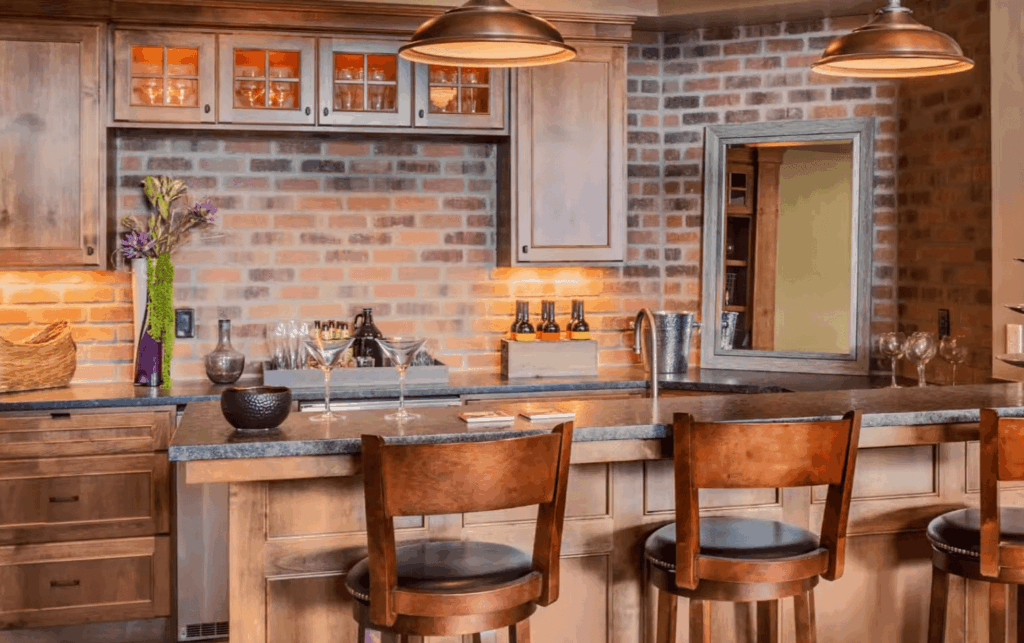
In a living room bar, use an area rug and artwork to define the room. Keep glass surfaces low on the table to maintain views. Dining chairs around a small spot create an intimate dining experience for two.
Conclusion
The true reward of designing your own drink hub is witnessing it become the favorite spot for connection in your house. This project transforms your residence into a true destination for making memories.
Whether you select a luxurious wet bar with marble or a compact cart for a small space, the key point is ensuring it works for your daily life. Your setup should reflect your personal taste and welcome all guests.
Remember, great design isn’t about chasing every trend. It’s about creating a space that feels authentically yours and fosters real connection. Thoughtful planning is the most crucial element.
From budget-friendly DIY to high-end custom installations, there’s a perfect solution at every price point. Now, with expert insights in hand, you’re ready to create a home bar that will be the heart of your home for years.
Start envisioning your dream station today. Soon, you’ll be raising a glass in a place perfectly tailored to your vision.