A recent survey found that 78% of Americans feel their living space directly impacts their daily mood, yet over half believe they can’t afford to improve it.
This doesn’t have to be your reality. You can transform your area without a full renovation or a massive budget. With living costs rising, smart, budget-friendly upgrades are more popular than ever.
Many powerful ideas for your living room cost less than $100. They require no professional installation. A thoughtful piece of art or a few personal accents can shift the entire mood.
As Vincent Van Gogh noted, great things come from small things brought together. Your home is the perfect place to apply this wisdom. Small, intentional changes create massive visual impact.
This guide provides practical solutions for anyone wanting a refresh. We’ll cover everything from wall decor and textiles to lighting. You’ll discover how accessible a beautiful, personalized space can be.
Key Takeaways
- Your environment significantly affects your well-being, but improving it doesn’t require a fortune.
- Effective transformations for your living area are achievable with minimal financial investment.
- Professional design skills are not necessary to create a fresh and current atmosphere.
- Small, thoughtful additions like artwork or plants can dramatically alter how a room feels.
- This article offers a comprehensive roadmap using basic items and clever strategies.
- Focus on personal touches and textured fabrics to add character without complexity.
- Anyone can execute these ideas, regardless of their current budget or experience level.
Understanding the Art of Simple Decor
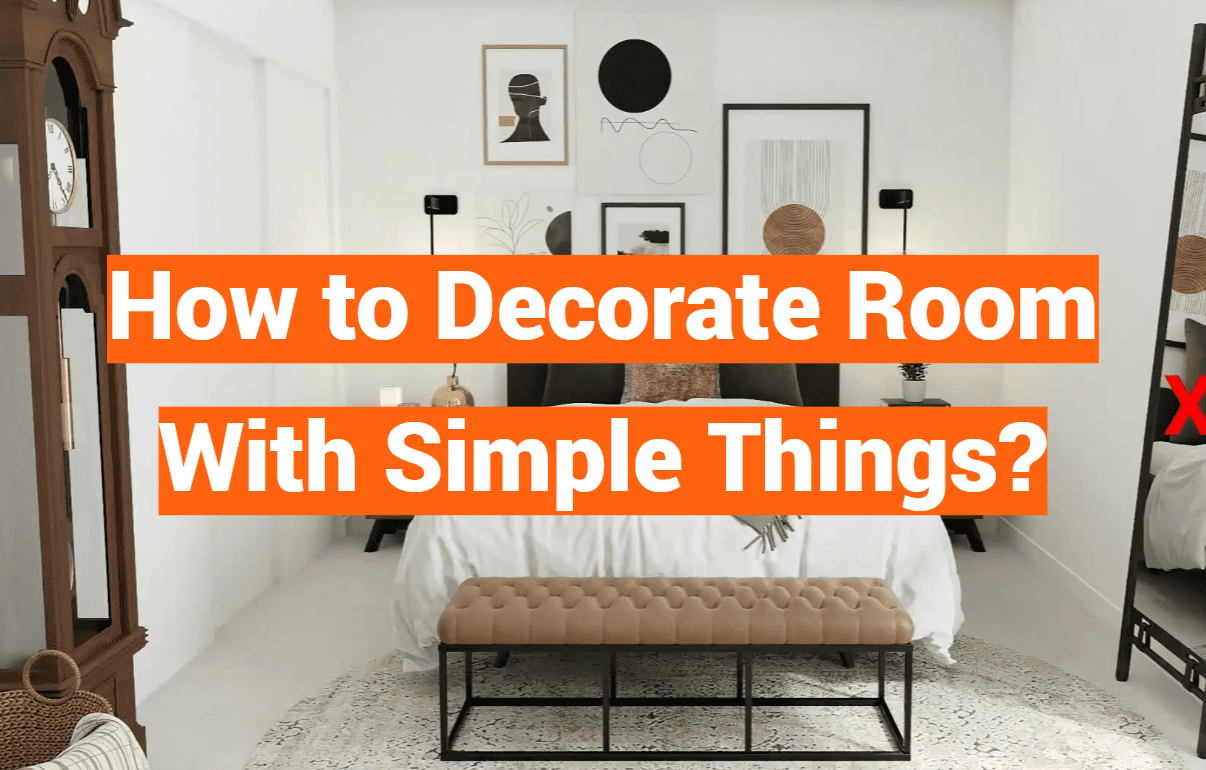
Transforming your environment doesn’t demand a big budget; it starts with embracing a minimalist mindset. This approach applies to any space in your home. Understanding simple decor is key to creating a personal sanctuary that feels both calm and intentional.
Defining Minimalism in Home Design
Minimalism in your home isn’t about empty, stark rooms. It’s a design philosophy focused on intentionality. You curate a space by keeping only what serves a purpose or sparks joy.
Begin by removing visual clutter, then focus on a few high-impact accents. Choose streamlined furniture with clean lines to anchor the room. This style values quality over quantity, leading to a timeless aesthetic.
The Role of Simple Things in Transforming a Space
A single, well-chosen item can redefine a living area. A striking vase, a textured throw, or a piece of meaningful art adds character without chaos. These simple things become focal points that draw the eye.
This method makes your home feel larger and more inviting, turning decorating into a thoughtful process. You invest time selecting pieces that truly reflect you, resulting in a cohesive and peaceful living room simple in its elegance. The transformation is both visual and emotional.
How to Decorate Room With Simple Things? – Practical Tips
Let’s move from concept to action with straightforward, impactful strategies. The best tips involve layering small, intentional changes. Start with textiles like a new area rug or colorful throw pillows.
These ideas add warmth and personality instantly. Introduce a potted plant or fresh flowers for a natural touch. Even one green element makes a living room feel alive.
Interior designer Nate Berkus once noted,
“Your home should tell the story of who you are, and be a collection of what you love.”
This philosophy is key todecoratingwith meaning.
Focus on a few curated pieces rather than many items. A striking piece of art or a unique vase can become a focal point. This approach keeps your living room simple and uncluttered.
| Timeframe | Actionable Step | Visual Impact |
|---|---|---|
| Today | Swap out old throw pillows for two new ones in a bold color. | Instant color pop and renewed energy. |
| This Week | Add a medium-sized floor plant and a textured throw blanket. | Added layers of texture and life. |
| This Month | Create a small gallery wall with three framed prints or photos. | A personalized, finished focal point. |
These ways to refresh your space are budget-friendly and doable. Each small step builds toward a complete transformation. Your living room will reflect your personal flair and become a sanctuary you love.
Curating Wall Art and Statement Pieces
Your walls hold incredible potential to become the soul of your living room. The right art and statement pieces create a visual anchor. They set the mood and reflect your unique style.
This process is about more than filling empty walls. It’s about choosing pieces that speak to you. They become the focal point that ties your entire space together.
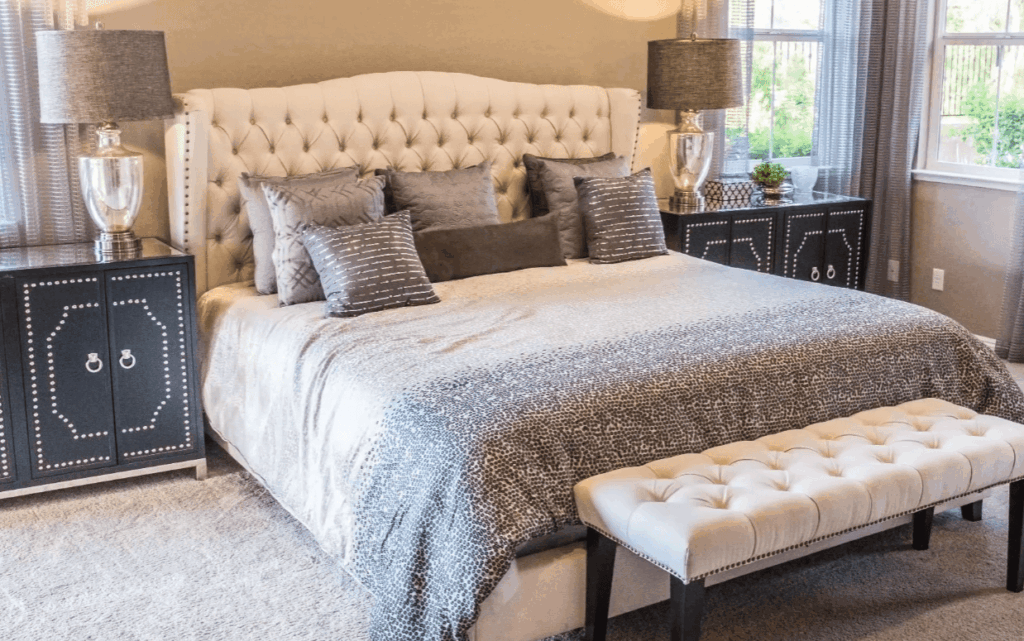
Choosing Affordable Art that Speaks to You
Finding art that resonates doesn’t require a large budget. Look for affordable digital downloads of prints or botanical images. You can frame them yourself for a custom look.
Repurposed pages from vintage books or sheet music work beautifully. Abstract art and nature-themed prints are versatile choices. They adapt easily to changing decor around them.
The key is selecting pieces that evoke a personal connection. Your living room should tell your story. These affordable ways make beautiful art accessible to everyone.
Arranging Pictures and DIY Gallery Walls
Proper placement is crucial for visual balance. Hang single statement pieces at eye level, about 57-60 inches from the floor to the center. When placing art above furniture, keep the bottom edge 6-8 inches above it.
For a cohesive arrangement, the artwork’s width should be roughly two-thirds of the furniture below. A gallery wall clusters various framed items for maximum impact.
Don’t overthink the layout. Aim for an organic mix of sizes and orientations. Use painter’s tape to map the arrangement on your walls first. This simple step prevents mistakes and ensures perfect placement.
These practical tips and details help you achieve a professional, curated feel. Your statement wall will transform the room’s entire atmosphere.
Layering Rugs, Textiles, and Lighting Effects
The foundation of a cozy, inviting atmosphere often lies beneath your feet and within the glow of a well-placed lamp. Layering these elements adds instant depth and defines distinct zones in your space. This approach creates a rich, textured environment without permanent changes.
Strategies for Layering Rugs and Textures
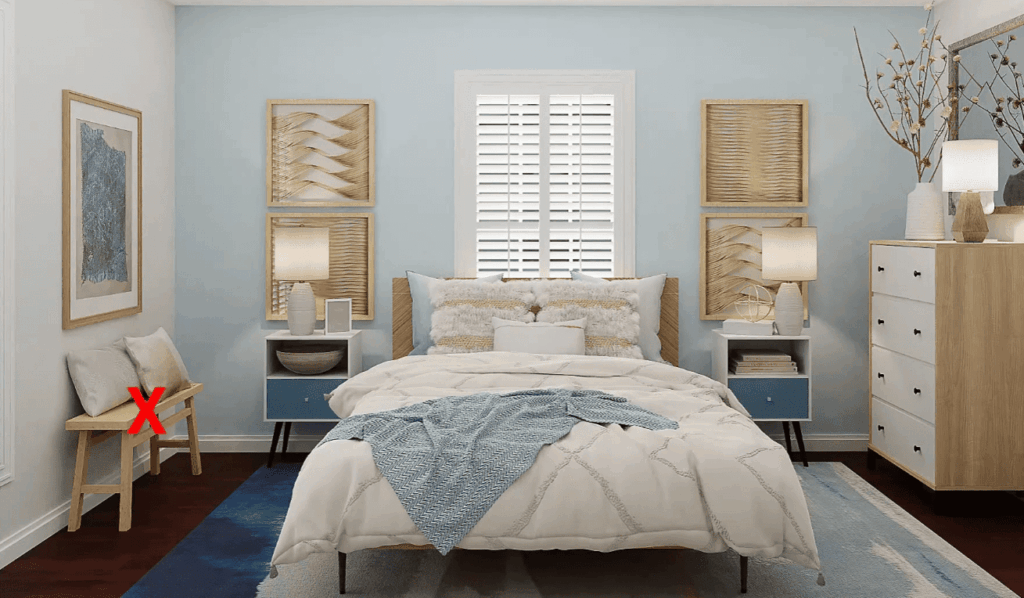
Start with a large, neutral rug like jute or sisal as your base. Layer a smaller, patterned accent rug on top. This combination adds warmth and visual interest to your floor.
For proper placement, ensure at least two sofa legs rest on the base rug. All table legs should sit on the top layer. Designer Jennifer Wundrow advises,
“It’s a misconception that a smaller rug makes a room feel larger, when in fact a smaller rug can make the room feel a bit more fragmented.”
A larger base makes thespacefeel bigger.
Complement your rugs with textiles. Mix throw pillows in velvet, linen, and cotton. Different texture adds visual depth to neutral furniture.
Enhancing Ambiance Through Smart Lighting
Flexible lighting transforms a room’s mood. Rechargeable, cordless lamps are game-changers. You can place them anywhere without installation hassle.
Use this portable light to highlight artwork or brighten a dark corner. Battery-powered lighting eliminates cord clutter. It provides focused, eco-friendly illumination exactly where you need it.
Together, these layered elements—rugs, textiles, and lighting—build a cohesive, professional look. Your living area feels intentionally designed, yet remains easy and affordable to update.
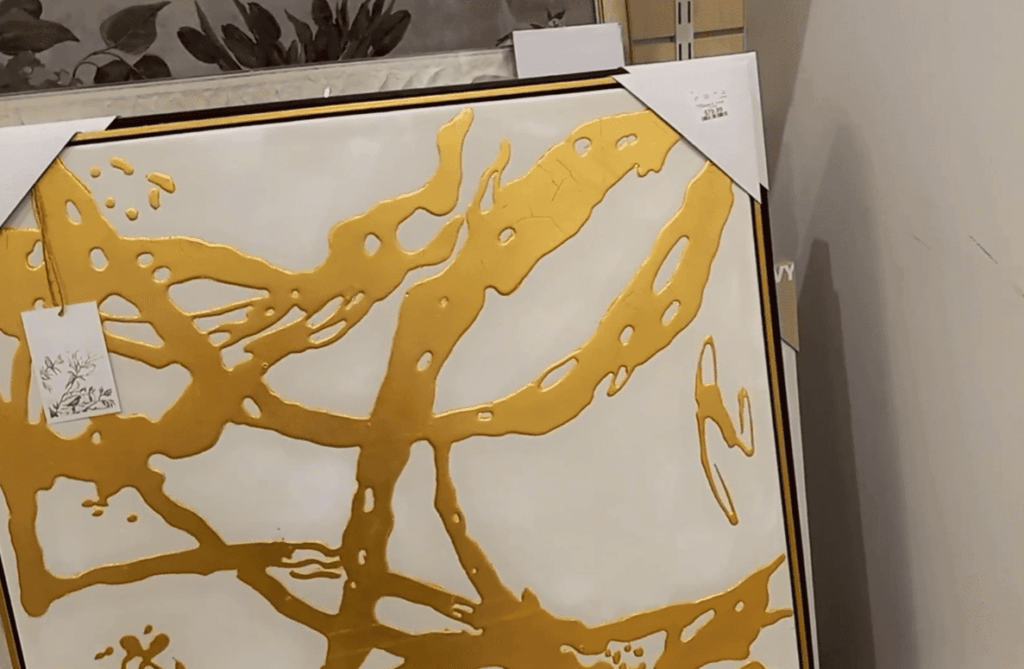
Incorporating Natural Elements and Greenery
Greenery and natural elements instantly breathe life and tranquility into any interior. This approach, rooted in biophilic design, supports well-being by reducing stress and improving air quality. It’s a powerful decor strategy that adds color and personality to your home.
Both real and modern artificial plants work beautifully. Faux options offer realistic alternatives without maintenance. Here are key tips for a natural look.
Utilizing Plants to Bring Life Into Your Room
Strategic placement creates balanced visual appeal. Place larger, leafier ones on lower shelves or the floor. Put smaller varieties on upper surfaces like a table.
Group different plant types instead of similar ones. This creates more interesting displays. For artificial plants, repot them in decorative containers with moss for improved realism.
Opt for low-maintenance real varieties like pothos or snake plant. They add greenery without taking up much space. Cut flowers or floating blooms in a bowl brighten any room instantly.
| Placement Zone | Recommended Plant | Key Benefit |
|---|---|---|
| Floor Corner | Fiddle-Leaf Fig (real or faux) | Creates a bold, natural focal point. |
| Coffee Table | Succulent Cluster or Fresh Flowers | Adds a vibrant, living centerpiece. |
| Shelving/Mantel | Trailing Pothos or Faux Eucalyptus | Introduces texture and vertical interest. |
Complement plants with other natural items. Use woven baskets, driftwood, or pillar candles. These items add warmth and texture.
They make your living room simple yet inviting. Together, they bring the outside in, enhancing your space with various colors and organic charm.
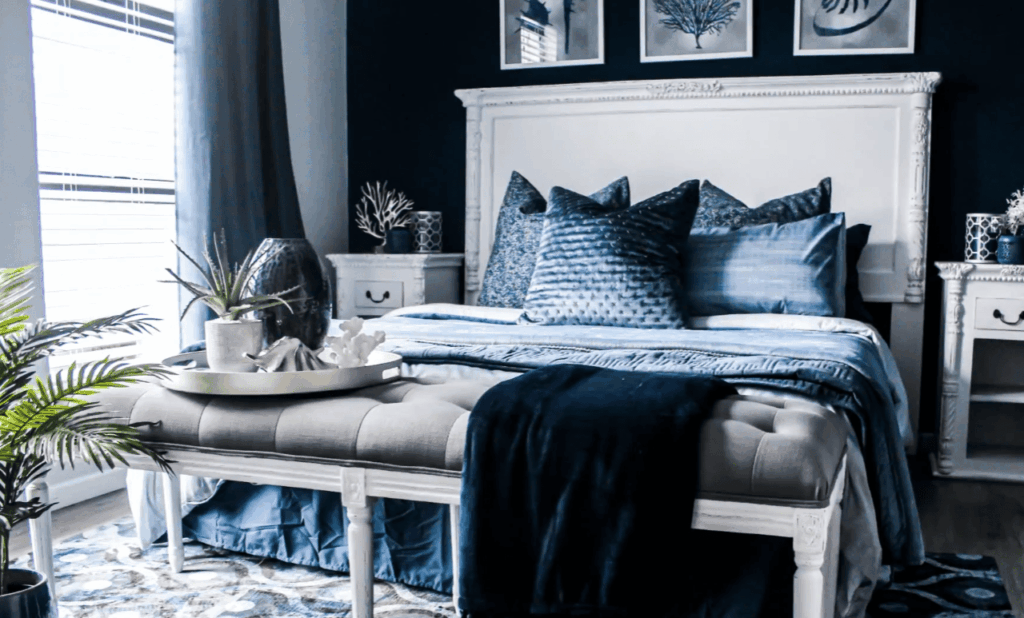
Decluttering and Rearranging for a Fresh Room Design
Before you buy a single new accessory, the most powerful refresh begins with what you remove. Decluttering your area is the essential first step. It creates a clean foundation for your new design vision.
This process clears visual distractions and lets you see the potential of your layout. You build on a blank canvas instead of a crowded one.
Simple Steps to Declutter Your Space
Start by clearing all surfaces like tables and shelves. Organize collections into dedicated containers. Be ruthless in removing unnecessary items that no longer serve you.
The benefits of this effort are immediate:
- It provides a clean canvas to envision new furniture arrangements.
- You gain better visibility of your room layout without clutter.
- Hidden storage spaces are freed up for better use.
- New decor can shine as the focal point, not compete with mess.
These ways are simple but transformative for any living room.
Creative Furniture Layouts to Make Space
Once cleared, reimagine your furniture placement. Pull larger pieces away from the walls. This opens up valuable floor area and improves traffic flow.
Angle a sofa or chairs to create intimate conversation zones. This clever trick defines separate areas within one room.
For a brand-new look, switch furniture between rooms. Repurpose an old piece with a fresh coat of paint. Finally, “shop your home” for decor.
Rehang artwork in new groupings. Use baskets or trays for stylish storage. These strategies make space feel larger and more intentional without spending a dime.
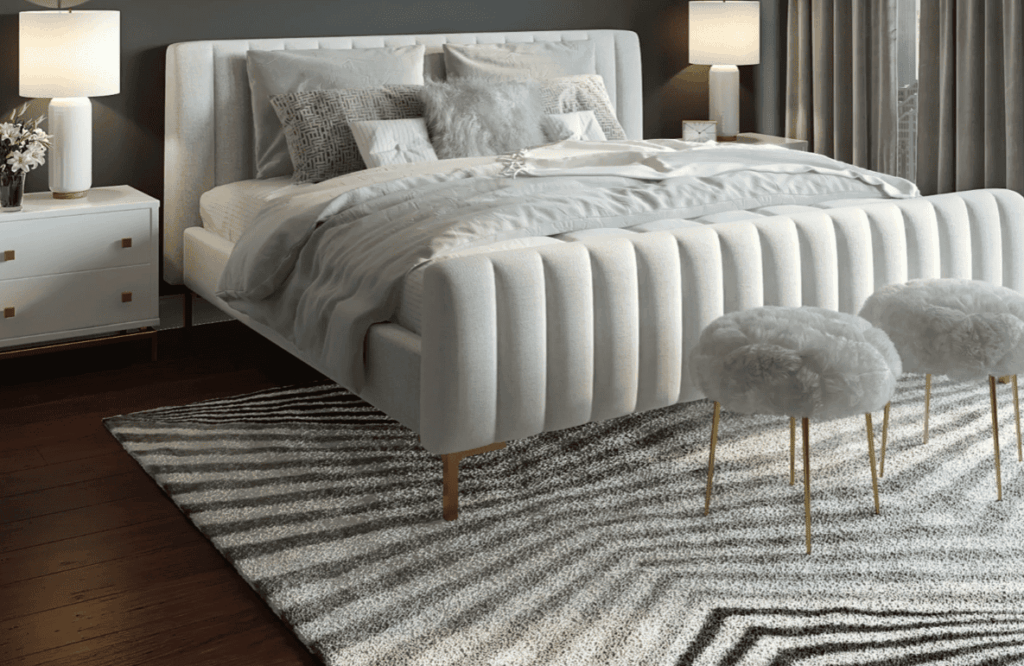
DIY Projects to Add a Personal Touch
Crafting your own decor pieces infuses your home with genuine personality and unique style. These handmade creations tell your story in ways store-bought items never can. They become the soul of your space.
Set aside regular time for creative work. This practice beautifies your room while offering therapeutic benefits. Your confidence grows when surrounded by meaningful objects.
Easy Home-Made Decor Ideas
Structured activities help beginners start. Paint-by-numbers kits make art creation accessible to everyone. In the 1950s, half of Americans decorated with their own paint-by-numbers creations.
Turn favorite photos or social media posts into stylish wall prints. These posts become natural conversation starters. They serve as a focal point that reflects your life.
Folding origami from bright cardstock creates “rad, interesting” wall art. Build floating shelves from wood boards and brackets. Mount snapshots on colored cardboard for custom displays.
These DIY touches add special details and personality to your room. Displaying your own work brings deep satisfaction. It transforms generic spaces into personal sanctuaries.
Exploring Color, Pattern, and Texture for a Cohesive Look
Color, pattern, and texture are the silent storytellers of any room. They weave together a narrative that feels both intentional and inviting. Mastering their interplay creates a harmonious look that works across different rooms and styles.
Mixing Colors and Patterns Without Overwhelming
Start by selecting one or two main colors. Repeat them through throw pillows, artwork, and area rugs. This repetition ties your entire living space together seamlessly.
When layering patterns, follow a simple rule. Limit yourself to three main ones. Ensure they vary in scale—large, medium, and small. Keep them within a similar color palette for unity.
Pair different pattern styles for visual interest. Combine geometric prints with organic, nature-inspired accents. This contrast adds depth without creating chaos.
For a foolproof approach, use classic color frameworks. Analogous schemes use different shades of one hue. Monochromatic styles rely on multiple tones of a single color. Triadic palettes use three colors equally spaced on the wheel.
The color drenching technique is powerful for smaller spaces. Paint walls, trim, and furniture in the same shade. It creates a sophisticated, immersive atmosphere.
Texture adds another dimension. Mix different finishes of the same color on fabrics and surfaces. This creates depth while maintaining a calm look.
Balance is key. Pair a dramatic color burst with neutral furniture and clean walls. Ensure the hues in your patterns connect with other elements in the room. This creates a visual flow that feels completely cohesive.
Maximizing Small Living Rooms and Spaces
When square footage is limited, every design decision must serve multiple purposes. Clever furniture choices and smart storage ways make compact spaces feel larger. Your goal is to create a functional yet inviting living room.
Add flexible seating like poufs and benches. These pieces can be moved for guests or used as a footrest. Ditch a bulky L-shaped sectional for a curved sofa. It looks custom and opens up floor space.
Group seating around a large window to create a cozy conversation area. This takes advantage of light and views. Maximize your vertical space with corner or floating shelves.
They display items without cluttering surfaces. In open-plan living rooms, use curved furniture to define separate zones. A curved console behind a sofa can subtly divide areas.
| Furniture Type | Best For | Key Benefit |
|---|---|---|
| Pouf or Ottoman | Extra seating & footrest | Lightweight and easy to move. |
| Curved Sofa | Open-plan living room | Creates flow and saves floor area. |
| Floating Shelves | Vertical display & storage | Frees up valuable table space. |
Layer personal items like table books or travel trinkets. They add intimacy without bulk. Each statement piece should work hard in your room. Follow these tips to make your small living room feel spacious and personal.
Conclusion
Ultimately, creating a space you love is about layering meaning and function, one piece at a time. You don’t need a big budget or expert help. Thoughtful additions like artwork, plants, and textiles can completely shift your room‘s mood and look.
Great decor happens in layers. Start with a single focal point in your living room. Then, build gradually with seasonal updates and meaningful details. Each small change adds depth and cohesion.
Before you know it, your home becomes a personal haven. It’s shaped by intention, not by spending. This journey lets you express your personality through simple things you cherish.
Craft a space that not only looks great but feels like the perfect backdrop for your life. It will be warm, welcoming, and uniquely yours.