
Did you know the average American spends approximately 90% of their life indoors? Yet, a surprising number of people say their living spaces lack true comfort and warmth.
This guide welcomes you to a journey of transformation. We’ll explore turning your space into a warm, inviting sanctuary for family and friends.
Crafting a comfortable environment isn’t about expensive renovations or rigid rules. It’s about understanding a few key principles that bring a welcoming atmosphere to any room.
You’ll discover practical, achievable ideas for every budget. We cover everything from simple, no-cost adjustments to worthwhile investments that last.
Expect to learn about the powerful roles of lighting, color, texture, and natural elements. These are the building blocks that directly influence how a home feels.
Whether you live in a compact apartment or a sprawling house, these strategies adapt to your personal style. Our friendly, step-by-step approach lets you implement changes at your own pace.
Creating a nurturing space is especially meaningful now, as we spend more time in our dwellings. It’s about finding comfort through all seasons.
We promise actionable tips backed by real examples. You’ll find specific recommendations you can start using immediately to make your home a true retreat.
Key Takeaways
- Transforming your space is about principles, not perfection or big budgets.
- Lighting, color, texture, and natural elements are foundational to a welcoming atmosphere.
- Strategies can be tailored to fit any living space and personal aesthetic.
- Changes can be implemented gradually for noticeable improvements in comfort.
- Creating a comforting environment is a valuable investment in daily well-being.
- The guide provides immediate, actionable steps you can take right away.
Understanding What Makes a Home Cozy
What transforms a simple house into a cherished personal retreat? It’s more than furniture. True comfort is an atmosphere crafted from warmth, invitation, and personal touch.
Cozy design finds a perfect middle ground. It avoids a sterile, commercial look and sidesteps a cluttered, stuffy feel. The goal is a lived-in environment that welcomes you.
Exploring Warm and Inviting Aesthetics
This welcoming atmosphere comes from intentional choices. Soft, layered lighting creates pools of warmth. Earthy color palettes make a room feel grounded and secure.
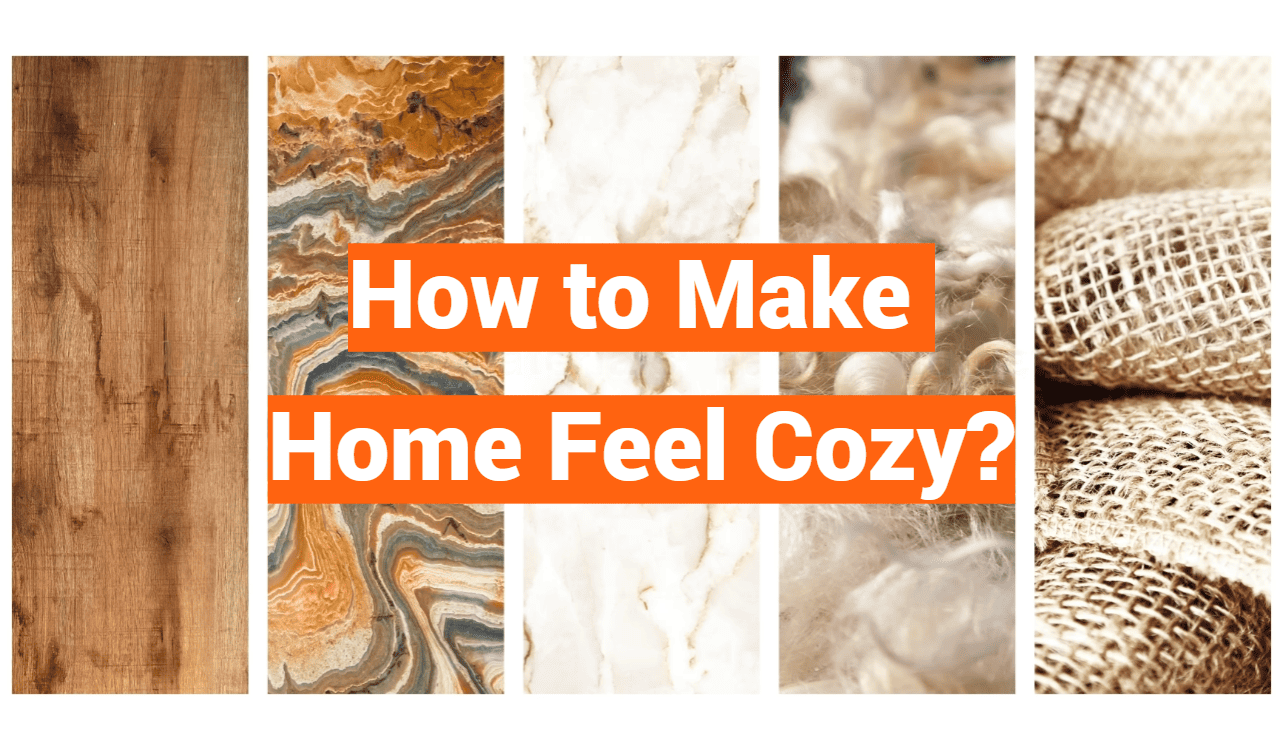
Texture plays a huge role. Think of nubby wool throws, smooth wooden surfaces, and plush rugs underfoot. These elements engage your senses, making a space feel complete.
“A house is a home when it shelters the body and comforts the soul.”
Benefits of a Cozy Living Environment
Cultivating this environment has real benefits. A comforting sanctuary lowers daily stress and improves your mood. It turns time spent indoors into a restorative experience.
This is especially valuable during darker seasons. A warm, inviting dwelling provides a crucial buffer against the cold outside. It becomes a source of joy and mental wellbeing.
The beautiful thing? This feeling isn’t tied to one style. You can achieve it in a modern minimalist loft or a traditional cottage. Understanding these core ideas helps you choose the right things for your own transformation.
How to Make Home Feel Cozy?
Cozy isn’t a one-size-fits-all formula; it’s a personal feeling. Your vision of a warm sanctuary is unique. It’s shaped by your life, tastes, and the way you use your space.
Before implementing changes, defining your personal style is the crucial first step. This ensures every choice aligns with your vision.
Defining Cozy in Your Own Style
What does comfort mean to you? For some, it’s a rustic cabin filled with vintage finds. For others, it’s a clean, modern room with strategic warmth. Both are perfectly valid.
Your circumstances deeply influence your needs. A family with kids and pets defines a welcoming home differently than a single professional. The goal is to avoid two extremes: spaces that feel cold and empty, or cluttered and overwhelming.
“My style is a little scandi, a little minimalist but with a lot of stuff, boho with baskets and plants and classic colour tones. I guess I’d call it ‘Cozy Modern.'”
This blend proves you don’t have to choose between contemporary design and comfort. It’s all about balance.
| Cozy Style Interpretation | Key Elements | Ideal For |
|---|---|---|
| Traditional & Rustic | Vintage furniture, warm woods, layered textiles | Those who love a timeless, collected feel |
| Clean & Modern | Neutral tones, streamlined furniture, strategic texture | Fans of minimalist aesthetics seeking warmth |
| Blended (e.g., “Cozy Modern”) | Modern lines mixed with natural materials and plants | Families or individuals wanting balance |
Start by considering your daily routine. Which rooms do you use most? Prioritize your efforts there. Think about the way you want to feel in your dwelling—relaxed, peaceful, creative.
Let those desired feelings guide your choices. When you’re looking for items, ask if they support that vision. This thoughtful approach is how you craft a space that truly helps you feel cozy.
Choosing Warm Colors and Paint Techniques
Think of your wall color as the canvas upon which your entire room’s mood is painted. This foundational choice influences how every space feels from morning to night.
It’s one of the most impactful updates you can make. The right shade creates an instant sense of warmth and welcome.
“I repainted my house six times before finding ‘the one’—Benjamin Moore’s ‘Pumpkin Seed.’ It’s a light beige, like coffee with too much cream. It’s warm day and night, without ever feeling dark.”
Selecting the Right Warm Hues
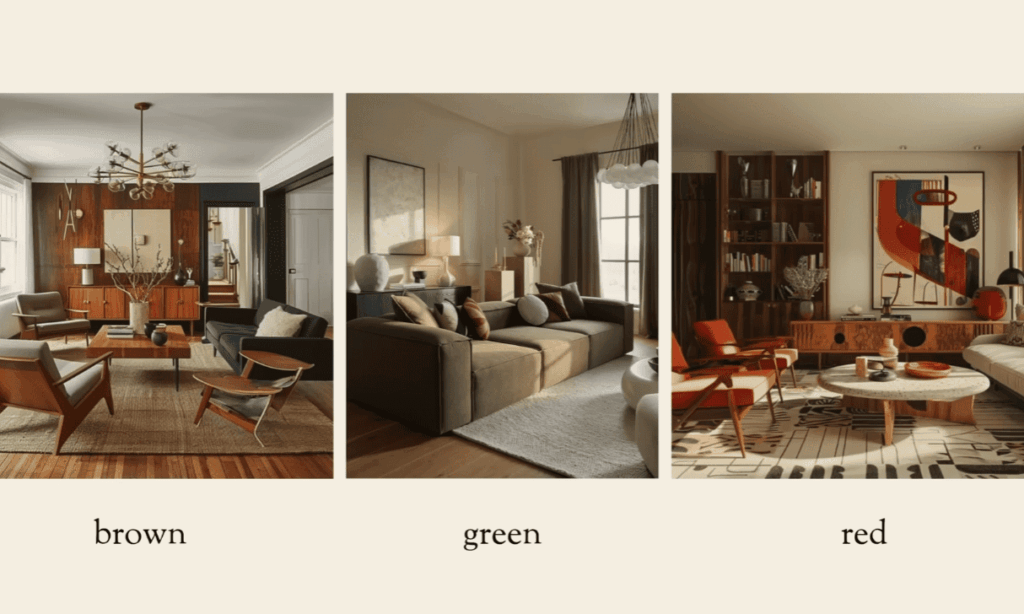
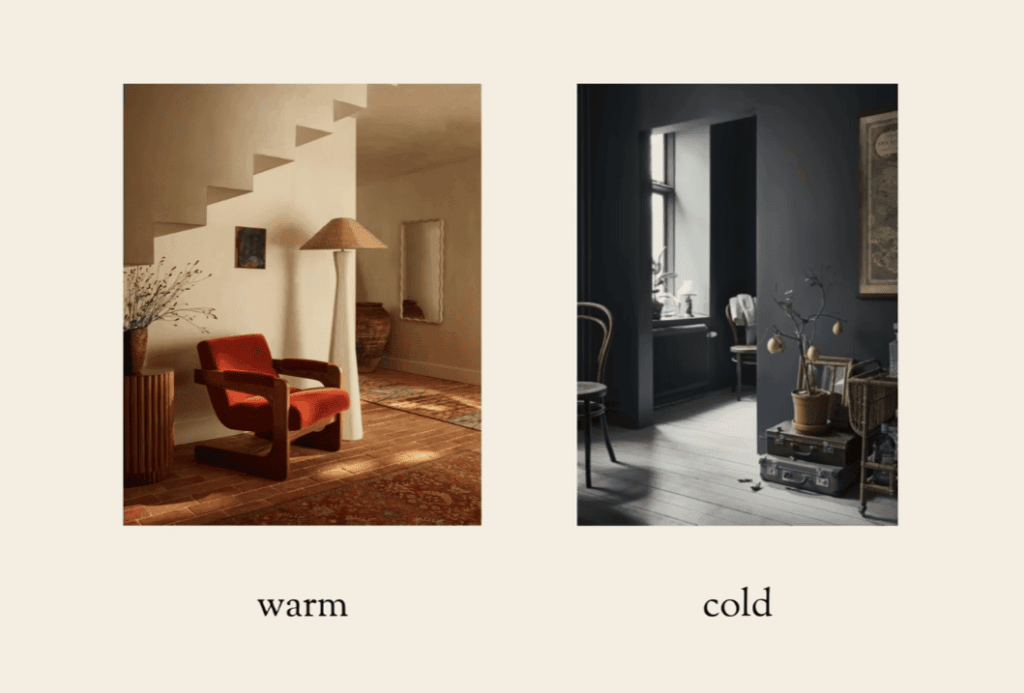
“Warm” doesn’t mean bright red or orange. It’s about undertones. Seek out colors with brown, yellow, or red bases.
Neutral warm tones are incredibly effective. Colors like warm ivory, taupe, and greige work beautifully.
For a modern look, consider muted colors. Soft greens or blues that almost appear grey in some light add depth.
Avoid cool greys with blue or purple undertones. Instead, choose a greige like Behr’s “Grey Mist.” It keeps a bathroom vanity modern yet inviting.
Using Neutral Tones for Versatility
These warm neutrals are chameleon colors. They adapt to different lighting while maintaining their cozy character.
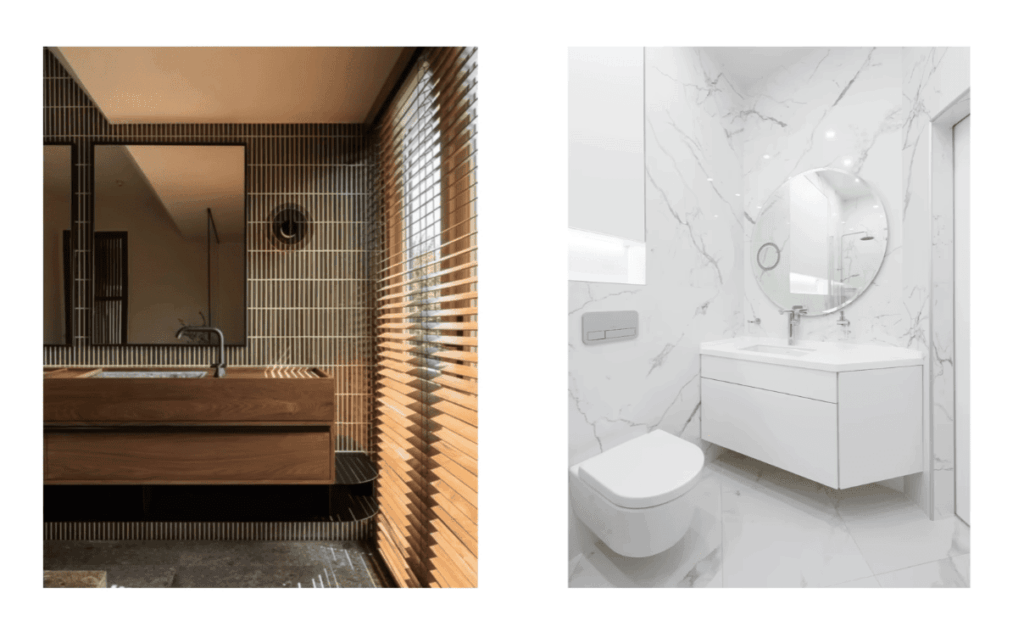
White walls can work in a modern setting. However, they need balancing with wood tones and natural textiles to avoid a cold feel.
Always test large paint samples. View them in morning sun, afternoon shade, and under evening lamps. This ensures the warmth you love translates at all hours.
Your walls set the stage. The right color makes everything else in the room feel more connected and intentional.
Enhancing Ambience with Lighting
One of the fastest ways to transform any area is by mastering the art of ambient illumination. Lighting dramatically shifts a room‘s feel from cold to comforting.
Warm Light Bulbs and Indirect Lighting Strategies
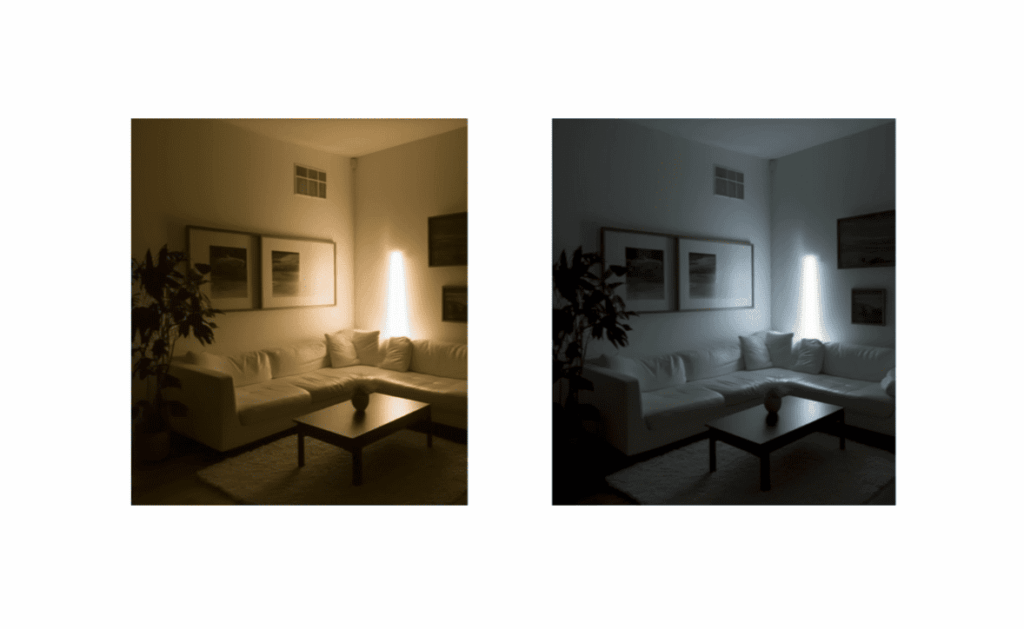
Start with your bulbs. Choose those labeled “Warm White” or “Soft White.” These emit a yellow-orange glow, similar to sunset’s golden hour. Avoid cool “Daylight” bulbs that cast harsh, blue tones.
Modern LED options offer this warm spectrum efficiently. Next, abandon the overhead light. Instead, use multiple indirect sources.
Picture a living room with five lamps. Each creates overlapping pools of soft light. This mimics the magical twinkle of vintage Christmas lights.
Creating Layers with Table and Floor Lamps
Place table lamps on side tables and mantels. Consider wall sconces for added dimension. Add floor lamps in corners.
This layering at different heights ensures even, warm illumination. During short winter days, this strategy is essential.
Use smart plugs with timers. Set lamps to turn on at dusk for an automatic welcoming glow. Extend this thinking to functional spaces like the kitchen. Under-cabinet lighting adds a soft, practical warmth.
Adding Natural Elements: Wood, Fibers, and Metals
Wood, fiber, and metal—these fundamental materials form the backbone of a nurturing sanctuary. Elements from nature bring inherent warmth and organic beauty that synthetic items cannot replicate.
Incorporating Wood for an Organic Touch
Wood is one of the most versatile natural elements. You can add it through dramatic architectural features like wooden vigas.
It also works in furniture or smaller decor pieces. A driftwood sculpture or carved bowl balances harder materials in a room.
Using Warm Metals and Natural Textiles
Focus on natural textiles like cotton, wool, and linen. These fibers feel soft and age with graceful character.
They absorb light instead of reflecting it. Avoid shiny synthetics that create a cold, artificial feel.
Choose warm metals like brass, copper, and bronze. Their yellow and brown tones add historic charm.
This is a proven way to enhance a welcoming atmosphere.
| Material Type | Examples | Key Characteristics | Best For |
|---|---|---|---|
| Wood | Vigas, furniture, driftwood | Organic, warm, versatile | Architectural accents, furniture, decor |
| Natural Textiles | Cotton, wool, linen | Soft, matte, ages gracefully | Drapes, throws, bedding |
| Warm Metals | Brass, copper, bronze | Yellow/brown tones, historic warmth | Hardware, lighting, decor accents |
| Synthetic Materials | Polyester, nylon, chrome | Glossy, reflective, artificial feel | Modern, sleek looks (less cozy) |
Embracing Textures with Blankets, Pillows, and Throws
A truly inviting space engages more than just your eyes. It welcomes you to reach out and feel. Texture is a crucial sensory element that turns a house into a comforting sanctuary.
Your dwelling should appeal to your sense of touch. This invites interaction and physical comfort.
Selecting Plush Fabrics for Added Warmth
Focus on warming textures you want to wrap yourself in. A fluffy fur rug creates a luxurious contrast to bare floors.
For your bed, switch cotton sheets for flannel in winter. Flannel provides warmth without a cold shock.
Incorporate materials like chunky knit throw blankets and wool pillows. These items aren’t just decor. They add actual physical warmth.
Layering Textures for Visual and Tactile Appeal
Mixing multiple textures on one sofa is a great way to add depth. Combine pillows made of canvas, velvet, and cable-knit.
Layer a textured area rug under your bed. Add throw blankets and window coverings.
This strategy creates rich visual and tactile interest. Layering blankets and pillows is a powerful design technique. It makes any room feel more complete and inviting.
These tactile accents serve a dual purpose. They add visual warmth and are perfect for seasonal styling.
Designing a Cozy Modern Living Room
Many homeowners desire a minimalist look but fear their space will feel cold and unwelcoming. This is where the “Cozy Modern” style shines. It blends clean, uncluttered principles with warm, inviting elements for a lived-in atmosphere.
Even with a family or pets, this balanced approach is achievable. The goal is a curated room that feels neither empty nor cluttered.
Balancing Minimalism with Warmth
White walls are a classic modern foundation. To prevent sterility, layer in natural materials. A simple, effective method uses leather couches in warm tones and rattan baskets with plants.
Avoid only sleek, angular lines. Introduce round shapes and soft edges to soften the look. Pair a rectangular sofa with a round coffee table and textured pillows.
| Modern Element | Cozy Counterpart | Design Effect |
|---|---|---|
| White Walls | Wooden Accents & Plants | Adds organic warmth and life |
| Rectangular Sofa | Round Coffee Table | Softens harsh lines, adds visual flow |
| Sleek Metal Chairs | Live Edge Wood Table | Introduces natural texture and contrast |
The live edge table is a perfect example. Its organic shape contrasts beautifully with modern chairs. This mix creates interest and warmth.
Always include at least one natural-shaped item in angular rooms. This rule ensures a cozy, casual balance. Your modern decor will feel both intentional and comfortably inviting.
Seasonal Adjustments for a Cozy Home
The quiet weeks after New Year’s often reveal a dwelling feeling a bit sparse. This post-holiday time sparks a need for intentional, seasonal changes.
Winter presents unique challenges, especially in cold climates. Long, dark days demand a warm, inviting atmosphere indoors.
Winter Styling Tips and Textural Swaps
Lighting is critical during this time of year. Keep multiple lamps glowing in your most-used area to combat the gloom.
Swap lightweight summer linens for heavier winter bedding. Flannel sheets and a down duvet transform your bedroom into a warm nest.
Embrace layered textures. Distribute wool throws, weighted blankets, and faux fur across sofas and chairs.
Sheepskin rugs and velvet pillows add luxurious, tactile warmth. They are perfect for winter vignettes.
Rotate artwork seasonally for a fresh look. Vintage ski prints celebrate the season beautifully.
These tips range from simple swaps to worthwhile investments. View this winter styling as a creative opportunity, not a chore.
Creating Clutter-Free Vignettes for Added Charm
A room devoid of all personal items often feels more like a showroom than a cherished sanctuary. The solution is not to fill every surface, but to create intentional, curated vignettes.
Designate specific areas for display—a mantel, a shelf, or a console table. Group a few meaningful things here, like a stack of books, a small sculpture, and a vase. This adds personality without overwhelming the space.
Swap these decor groupings with the seasons. After holiday items are packed away, fill the void with life-giving elements. A potted plant, a bundle of branches, or a bowl of faux florals adds texture and color.
Of course, plants are transformative. Having lots of greenery makes any room feel alive and warm. Candles grouped together create a flickering, ambient glow that softens a space instantly.
The goal is thoughtful curation. Choose items you love and arrange them with care. This balances clean lines with the warmth of a lived-in home.
Conclusion
Crafting a comfortable environment doesn’t demand a complete overhaul of your decor. The strategies in this post are meant to be adapted, not followed as rigid rules. Start with one or two changes that resonate with your personal style.
Remember, the goal is a home where you genuinely want to spend time. Whether you’re looking for modern minimalism or traditional warmth, the principles remain consistent. Thoughtful lighting, natural materials, and inviting textures create a foundation.
Consider carving out a small reading nook for a book or journal. A dedicated coffee station sees lots of use in winter. These simple elements add daily comfort.
We hope these tips empower you to create a space that brings joy. Your sanctuary is within reach, one thoughtful layer at a time.