Did you know the demand for unique interior furnishings is creating a market worth hundreds of billions? This surge isn’t slowing down. It’s powered by people everywhere wanting to make their spaces truly their own.
If you have an eye for beautiful rooms and a drive to create, this is your moment. That creative vision can become your venture. The marketplace for stylish living is vibrant and full of potential.
Turning this passion into profit takes more than great taste. It calls for a clear plan and smart strategy. Understanding your audience and building a brand they love are essential steps.
This resource is designed to walk you through that entire process. We’ll cover everything from your initial idea to your exciting launch day. You’ll get a straightforward, step-by-step playbook.
Expect to find real, actionable advice you can use immediately. We’ll share industry insights and practical tips focused on building a solid foundation. The goal is to help you create an enterprise built for lasting success.
Embarking on this path is an incredible adventure. With the right tools and dedicated effort, your love for beautiful interiors can blossom into a thriving operation. Let’s begin this journey together.
Key Takeaways
- The interior furnishings industry is expanding rapidly, offering substantial opportunity.
- Lasting success blends artistic passion with sound commercial planning.
- Carving out a specific niche helps your brand stand out in a crowded market.
- A detailed roadmap should cover finances, branding, and daily operations.
- Establishing a strong digital presence is non-negotiable for modern entrepreneurs.
- Prioritizing customer experience fuels growth through loyalty and word-of-mouth.
- Staying adaptable and informed is crucial for long-term growth and relevance.
Introduction: Embracing Your Design Passion and Vision
At the heart of every successful interior enterprise lies a deep-seated passion for design and aesthetics. This creative drive is your most powerful asset. It fuels the journey from enthusiast to established professional.
Your artistic vision merges seamlessly with entrepreneurial ambition. This blend transforms a lifelong love for beautiful spaces into a sustainable income stream. It’s the perfect fusion of art and commerce.
There is immense satisfaction in helping people create homes that reflect their true personality. The right decor choices forge an emotional connection to personal well-being. You become a curator of comfort and style.
This model offers remarkable flexibility and creative freedom. Many entrepreneurs operate from a home studio, setting their own schedules. You can curate collections that align with your authentic design aesthetic.
A crucial mindset shift involves seeing your skills as valuable services. Move from hobbyist to owner by solving real problems for clients. Your eye for design becomes a sought-after solution.
Lasting success requires blending creative talent with solid business acumen. Understand customer needs, manage finances wisely, and build loyal relationships. This balance is the foundation of a thriving business.
Remember, countless successful founders began with just a vision and determination. They learned the business side while honoring their creative core. Your starting point is full of potential.
The path demands dedication and strategic planning. The experience of building a business around your passion, however, delivers dual rewards. You achieve both financial independence and profound personal fulfillment.
Understanding the Home Decor Industry Trends
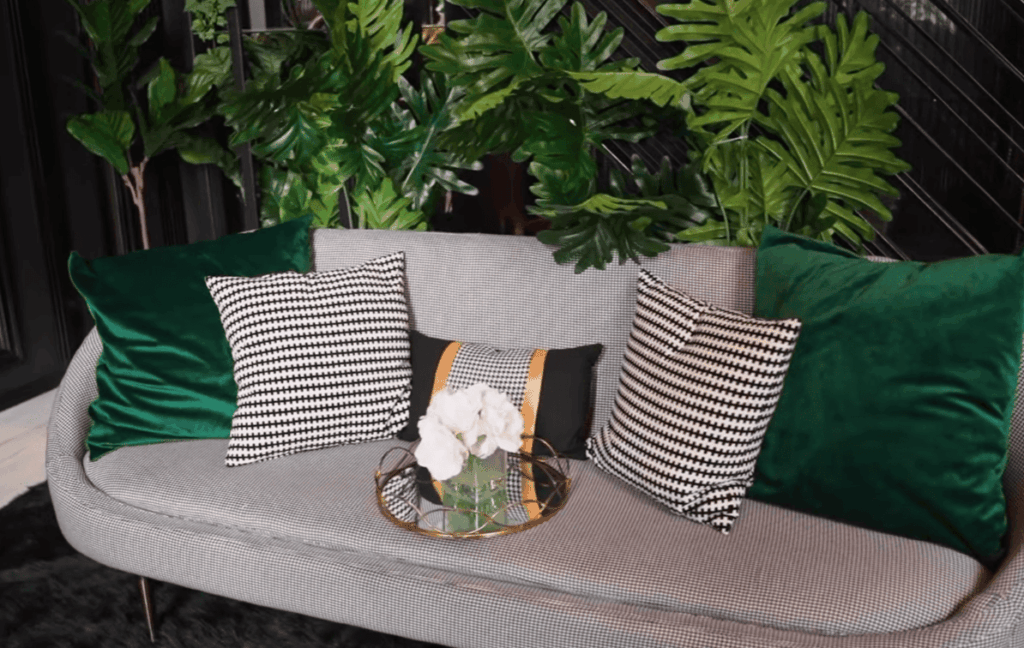
Today’s interior design industry is a vibrant tapestry woven from new materials, styles, and buyer behaviors. This dynamic market, valued at over $200 billion, constantly evolves. Key trends emerge each season. Smart entrepreneurs must grasp these shifts to thrive.
Current Trends and Consumer Behavior
Sustainability is no longer a niche—it’s a driving force. Eco-conscious shoppers seek pieces made from reclaimed wood, bamboo, and organic textiles. This industry trend reflects a deeper value shift.
Biophilic design brings the outdoors in. It uses indoor plants, natural stone, and water features to create calm. People crave this connection to nature.
Personalization is key. Buyers want unique decor that reflects their individual style, not mass-produced accessories. Custom options allow for true self-expression.
| Trend | Core Idea | Key Elements |
|---|---|---|
| Sustainable Decor | Eco-friendly living | Reclaimed wood, organic textiles |
| Biophilic Design | Connection to nature | Indoor plants, natural light, water features |
| Maximalism | Bold self-expression | Vibrant colors, eclectic patterns, layered textures |
| Japandi | Simple functionality | Clean lines, natural materials, muted palette |
| Grandmillennial | Vintage charm | Classic patterns, mixed eras, cozy feel |
The most successful designers don’t just follow trends—they understand the cultural desires behind them.
Leveraging Social Media and Online Insights
Platforms like Instagram and Pinterest are now primary discovery tools. Shoppers find inspiration and buy furniture online more than ever. Your social media strategy must be visual and engaging.
Use free tools like Google Trends to spot rising search terms. This data reveals emerging trends before they peak. Tracking these industry movements lets you position your brand ahead of the market.
Understanding these industry shifts is crucial. It allows you to curate relevant collections and create targeted content. You become a go-to resource for on-trend solutions.
Developing a Comprehensive Business Plan
Think of your business plan as the blueprint for your entire enterprise. It outlines every critical step. This document transforms creative ideas into a structured, actionable strategy.
It serves as your daily roadmap and a tool for securing financing. A solid plan provides clarity and direction from day one.
Setting Clear Goals and Milestones
Begin by defining SMART goals. These are Specific, Measurable, Achievable, Relevant, and Time-bound.
Aim for tangible milestones. Examples include breaking even within six months or launching an online store in a quarter.
Next, create detailed customer personas. Understand your target audience’s demographics, style preferences, and shopping habits. This focus guides your product curation and marketing.
Budgeting, Financial Planning, and Market Analysis
Accurate financial planning is non-negotiable. You must break down all startup costs into clear categories.
Create revenue forecasts and track expenses from the start. Knowing your break-even point is crucial for long-term health.
| Category | Description | Estimated Cost Range |
|---|---|---|
| Website Development | E-commerce platform setup, domain, hosting | $500 – $3,000 |
| Business Registration | Legal fees, licenses, permits | $200 – $1,000 |
| Initial Inventory | First product samples or stock purchases | $1,000 – $5,000+ |
| Marketing Budget | Launch campaigns, social media ads | $300 – $2,000 |
| Software Subscriptions | Design, accounting, inventory tools | $50 – $300/month |
Conduct thorough market analysis. Research 5-10 competitors to identify gaps in their offerings. Your unique position fills these voids.
Remember, a plan is a living document. Review and update it regularly as sales grow and market conditions shift. This proactive step separates thriving ventures from struggling ones.
Finding Your Niche and Naming Your Business
Your venture’s identity begins with a focused niche and a name that captures its essence. Trying to appeal to everyone often means connecting with no one. A specific specialty makes your marketing sharper and your brand more memorable.

Identifying Unique Home Decor Styles
Which aesthetic spaces excite you the most? Popular decor styles include:
- Boho & Global
- Minimalist & Modern
- Coastal & Nautical
- Traditional & Grandmillennial
- Vintage & French Country
- Southwestern & Rustic
- Botanical & Organic
Select one or two that align with your personal passion and market demand. Consider competition levels and your ability to source quality items consistently.
Your company’s name should reflect this style while allowing room to grow. Avoid overly specific geographic references or trendy terms that may date quickly. A flexible name supports your brand’s natural evolution.
For example, “Rustic Retreat Decor” suggests a vibe without locking you into a single product. “Tahoe Boho Pillows 2024” is far too limiting.
Always check your chosen name for domain and social media handle availability. This ensures a consistent brand presence across all channels from day one.
Creating a Strong Brand Identity and Online Presence
In the digital marketplace, your online presence serves as your primary storefront and brand ambassador. Your brand identity is the complete experience customers have with your venture. It includes your visual style, messaging tone, and the feelings your design evokes.
Every touchpoint, from social media to packaging, should feel cohesive. This consistency builds trust and makes your business memorable.
Designing a Recognizable Logo and Color Palette
Start with a simple, scalable logo. It should be relevant to the home decor niche but distinctive. Use tools like Canva or Tailor Brands, or hire a pro on Fiverr.
Select a cohesive color palette next. Choose 2-3 primary colors and 2-3 accents. These hues should reflect your brand‘s personality without competing with your products in photos.
Neutral backgrounds often work best. They let your beautiful items take center stage.
Building an Effective, Mobile-Friendly Website
Your website is your digital showroom. Platforms like Wix, Squarespace, or Shopify offer beautiful templates. They require no coding knowledge.
Over 60% of online shopping happens on phones. Ensure your site loads fast and looks perfect on mobile screens.
Showcase products with high-quality, styled photos. Include multiple angles and detailed descriptions. Use clear content about materials, dimensions, and care.
Make buying easy with prominent “Add to Cart” buttons. Offer secure payment options and a simple checkout. Optimize pages with relevant keywords so customers can find you through search.

Sourcing Quality Products and Managing Inventory
Your curated collection is the tangible expression of your brand’s promise. The quality of your products directly builds your reputation and drives customer satisfaction. One subpar item can undo months of trust.
Effective management of your inventory ensures this promise is kept consistently. It prevents stockouts and avoids tying up capital in unsold goods.
Finding Reliable Suppliers and Quality Materials
You have several sourcing models to choose from for your business:
- Wholesale purchasing for bulk discounts.
- Dropshipping, where suppliers ship directly.
- Print-on-demand for custom creations.
- Creating proprietary designs through manufacturing partners.
Find reliable suppliers on marketplaces like Faire or Handshake. Attend major trade shows such as High Point Market. Franchise systems also offer pre-vetted networks.
Always order samples first. Personally check the craftsmanship, materials, and durability. This step is non-negotiable for maintaining quality control.
Diversify your suppliers. This reduces risk and lets you offer a range of products at different price points.
Utilizing Inventory Management Tools
Modern tools make tracking inventory simple. Implement software that monitors stock levels in real time. It should set automatic reorder alerts and sync with your online store.
Solutions like Lightspeed POS are built for retail. Platforms like Inventory Source cater to e-commerce. These tools prevent costly overselling and highlight sales trends.
Optimize your stock regularly. Analyze reports to identify bestsellers. Plan for seasonal peaks and maintain levels that support healthy cash flow for your business.
Setting a Profitable Pricing Strategy
The numbers you attach to your products tell a story about quality, exclusivity, and your operational savvy. Your pricing plan directly shapes profitability and how customers view your brand. Prices set too low can erode margins, while prices too high without clear value send shoppers elsewhere.

Begin with a solid cost-plus model. Calculate every expense: product sourcing, shipping, payment fees, and overhead. Add a standard markup, often 50-100% for retail, to ensure each sale is profitable. This covers your costs and builds a financial foundation.
Perceived value often justifies a higher price point. Value-based pricing reflects what customers believe they’re getting. Unique designs, superior materials, or personalized service create this premium perception. Your decor isn’t just an item; it’s an experience.
Research 10-15 similar ventures to see the market range. Then, employ psychological tactics to guide decisions:
- Charm pricing ($49.95) suggests a deal.
- Round numbers ($200) imply luxury.
- Bundling complementary pieces adds convenience.
- Tiered packages make a mid-range option attractive.
For design services, flat-rate packages bring clarity. Charge a set fee for a one-room refresh or an hourly rate for consultations. Regularly review your pricing as costs and the market evolve. Transparent, value-driven pricing builds lasting trust and supports a healthy business.
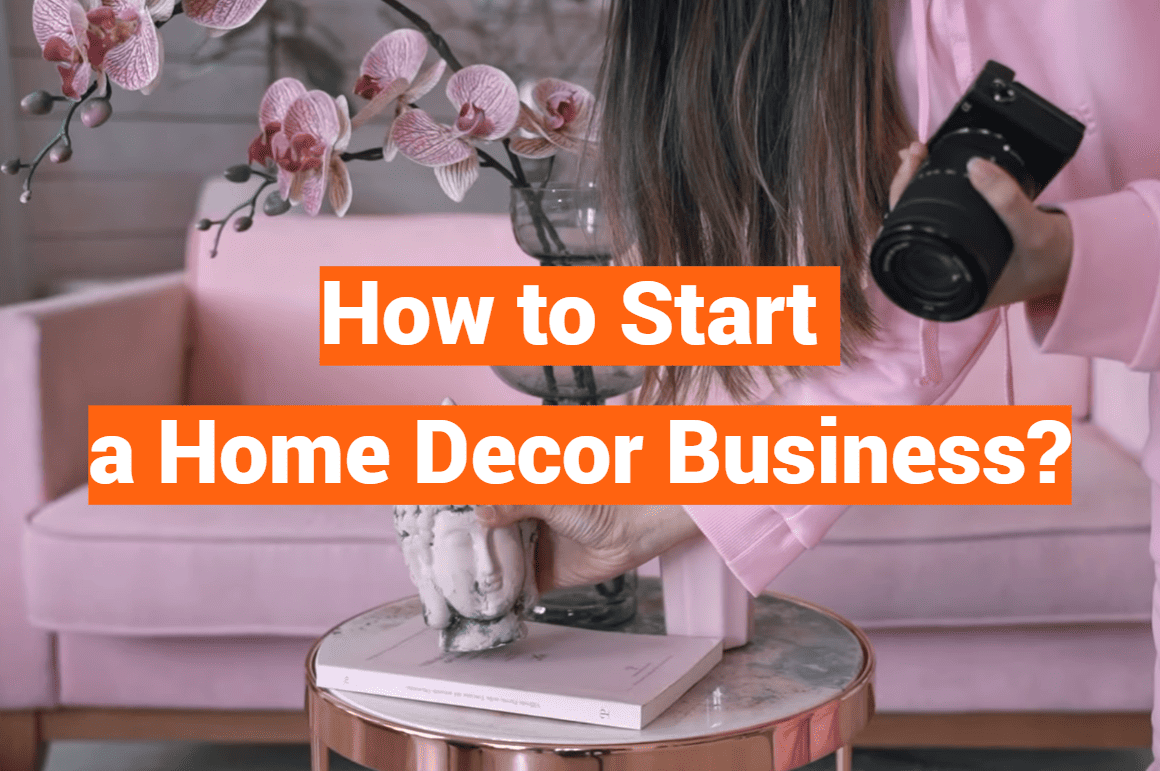
Step-by-Step: How to Start a Home Decor Business?
This final section consolidates all previous advice into a straightforward, step-by-step guide. Think of it as your master checklist for turning a great idea into a real, operating venture.
Key Steps from Planning to Launch
Follow this sequence to build a strong foundation. Each step prepares you for the next phase of your journey.
| Step | Primary Action | Core Focus |
|---|---|---|
| 1 | Industry & Trend Research | Understand the interior design landscape and consumer desires. |
| 2 | Create a Business Plan | Define goals, finances, and your operational roadmap. |
| 3 | Select Niche & Name | Carve out a specialty and choose a memorable brand identity. |
| 4 | Build Brand & Online Presence | Develop a visual identity and a professional, mobile-friendly website. |
| 5 | Source Products & Manage Inventory | Establish reliable supplier relationships and implement tracking tools. |
| 6 | Set Pricing Strategy | Calculate costs and position your decor for profit and value. |
| 7 | Launch & Initial Marketing | Generate buzz through social media and a soft opening event. |
| 8 | Focus on Customer Service | Build loyalty from the first sale to ensure repeat business. |
Remember, this path isn’t always linear. Successful entrepreneurs often tackle multiple steps at once. They adapt their plan based on real feedback after launch.
Mastering Marketing and Social Media Strategies
Building a loyal audience requires more than beautiful products. It demands a strategic marketing plan. A consistent, multi-channel approach builds awareness and drives sales.

Your efforts combine a strong social media presence, email campaigns, and valuable content. Strategic partnerships and networking complete the picture. This holistic strategy turns your creative vision into a thriving community.
Creating Engaging Visual Content
Platforms like Instagram and Pinterest are perfect for visual niches. Post styled product shots and design tips at least four times weekly. Use relevant hashtags like #interiordesign to reach more people.
Create a cohesive aesthetic that reflects your brand. Share before-and-after transformations and behind-the-scenes glimpses. Customer testimonials and user-generated content are incredibly powerful.
Make it easy for happy customers to tag your brand and leave reviews. Engage with them online and offer incentives for referrals. This builds authentic social proof.
Effective Email and Influencer Campaigns
Grow your email list with a free design guide or style quiz. Send regular newsletters featuring new products and exclusive promotions. Personalized email nurtures relationships and drives repeat purchases.
Collaborate with micro-influencers in the home decor niche. Gift products in exchange for authentic reviews and styled posts. Partner with local interior designers who can recommend your items to clients.
Network at local home shows and in online communities. Connect with real estate agents and contractors. Pitch your best projects to home decor blogs and local news outlets for valuable earned media.
Track your marketing performance with analytics tools. See which channels bring the most customers. Use this data to optimize your strategy for continued growth.
Leveraging Tools and Technology for Business Efficiency
Efficiency in today’s design-focused enterprise hinges on selecting the right technology stack. Manual methods and spreadsheets cannot support growth. The right software streamlines operations, manages client relationships, and tracks finances.
Specialized tools save time and reduce errors. They provide professional presentation and valuable insights. Investing in a cohesive system is crucial for scaling your business.
Utilizing POS and Inventory Software
Point of Sale systems like Lightspeed offer advanced inventory control. They update stock levels in real-time across all sales channels. This prevents overstocking and avoids running out of popular items.
These platforms also track customer purchase history. They generate sales reports and manage employees. Integration with e-commerce creates a seamless operation.
All-in-one interior design platforms consolidate multiple functions. DesignFiles is a prime example. It combines moodboards, 3D floor planning, and client communication.
Project management, invoicing, and product sourcing happen in one place. This eliminates juggling disconnected tools. Designers can present professional designs and manage timelines effortlessly.
Customer Relationship Management (CRM) systems organize client data. They track communication and automate follow-ups. Segmenting customers allows for targeted marketing campaigns.
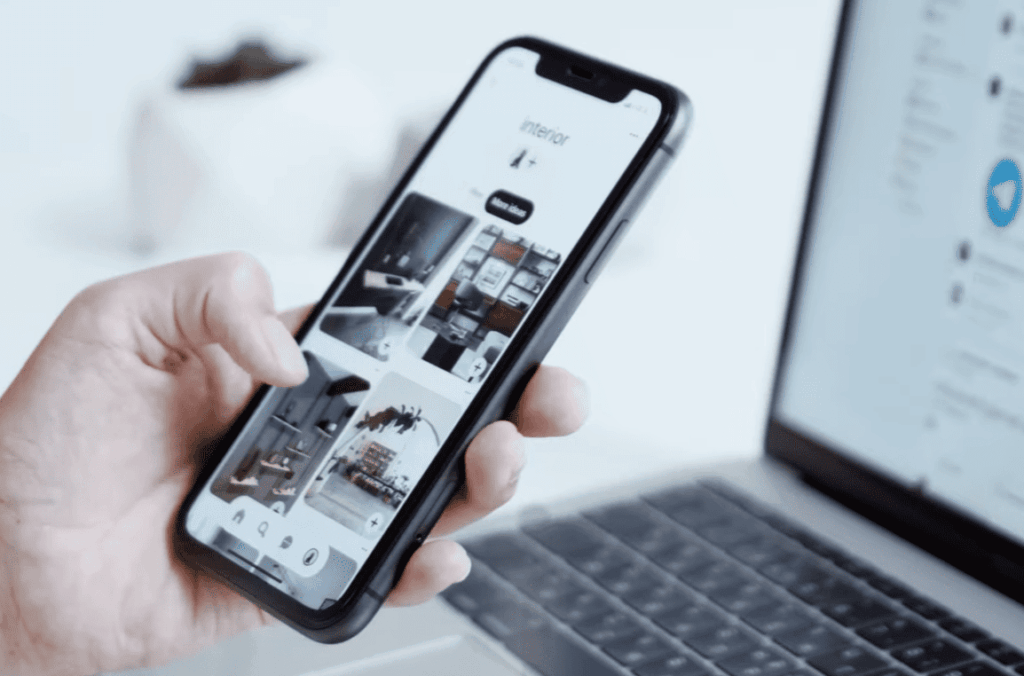
Project management tools like Trello or Asana help track multiple client projects. They assign tasks with deadlines and store project files. Collaboration with team members becomes smooth and organized.
| Tool Category | Primary Function | Example Platforms |
|---|---|---|
| All-in-One Design | Consolidate presentations, planning, & client portals | DesignFiles |
| POS & Inventory | Real-time stock control & sales analytics | Lightspeed |
| CRM | Organize client data & automate marketing | HubSpot, Salesforce |
| Financial Management | Bookkeeping, invoicing, & tax preparation | QuickBooks, FreshBooks |
| Email Marketing | Build lists & automate campaigns | Mailchimp, Klaviyo |
Financial management software handles bookkeeping and expense tracking. It processes payments and generates profit reports. Visibility into cash flow ensures business health.
Email marketing platforms build subscriber lists. They create professional newsletters and automate sequences. Measuring campaign performance guides future strategies.
The upfront cost and learning curve are worthwhile. Time savings and reduced errors justify the investment. These tools empower designers to focus on creating beautiful designs.
Providing Exceptional Customer Service and Building Loyalty
In a crowded marketplace, the quality of your customer support often becomes the deciding factor for repeat business. Exceptional service directly impacts retention, reviews, and referrals. It builds a sustainable advantage that marketing alone cannot achieve.
Establish clear service standards. Aim to answer all inquiries within 24 hours. Provide clear, helpful answers to questions about products, shipping, or styling. A friendly, professional tone makes people feel valued from the first interaction.
A transparent return policy builds trust. Display guidelines clearly on your site. Train any staff to handle returns with empathy. Actively seek feedback through simple post-purchase surveys. This helps you improve the client experience continuously.
Loyalty programs reward repeat customers. Offer points, early access, or special discounts. Referral programs turn happy clients into advocates. Provide a meaningful incentive for them to share your brand with friends.
Investing time in relationship-building creates loyal patrons. They become predictable revenue sources and enthusiastic supporters. This focus on service excellence ensures your business thrives for the long term.
Conclusion
Every successful interior design enterprise began with a single, determined step forward. This guide provides a clear way to build your own profitable business. It takes careful planning, from defining your target niche to sourcing quality decor.
The journey requires time and dedication, but turning your passion into a venture is rewarding. Long-term success means adapting to interior trends and customer needs. Stay informed with industry news and seek help from a support network.
Remember, momentum builds with each completed task. Start with one step today. Your vision for beautiful home spaces can become a thriving reality.